
December 26, 2025
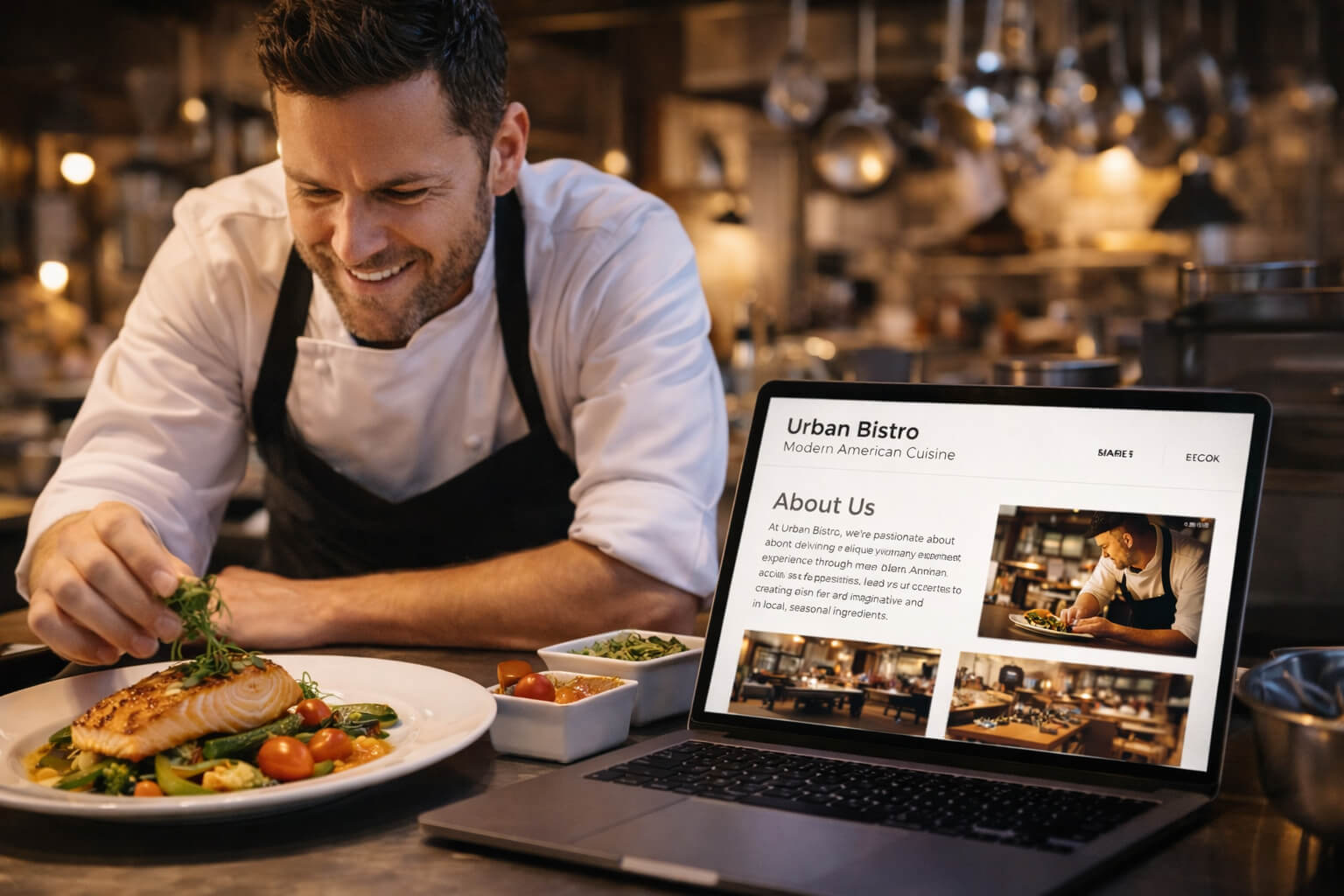
Diners don’t just choose restaurants for food—they choose them for experience, emotion, and meaning. In a crowded market where menus and prices often look similar, storytelling has become one of the most powerful tools a restaurant can use to stand out online.
A modern restaurant website isn’t just an information hub. It’s a story—one that shapes perception, builds trust, and turns first-time visitors into loyal guests.
Today’s diners are increasingly looking for more than just a good meal. They want to connect with the brands they choose. More than just service, they care about the why behind your restaurant:
Without a compelling story, your restaurant may become just another listing in a sea of options, indistinguishable from others in a competitive market. A strong narrative, on the other hand, creates a lasting impression. It builds a relationship, an emotional connection that encourages diners to choose your restaurant over others. A great story makes diners feel like they are becoming part of something, not just customers purchasing a meal.
That’s why restaurants with a clear, compelling story perform better than those who focus solely on selling food. Websites with strong storytelling elements outperform the competition because they connect emotionally with potential guests, building trust and creating a memorable experience long before diners step foot inside (Why Every Restaurant Needs a Website in 2025 and How to Launch One Fast).
Trust is one of the most crucial elements in a diner’s decision-making process. But trust doesn’t come from polished marketing alone—it comes from authenticity and clarity. Your story is the perfect way to communicate those values. When diners understand your journey, philosophy, or passion, they feel more confident choosing your restaurant.
For example, if your restaurant was inspired by your travels or a family recipe passed down through generations, sharing this with your customers can make them feel a deeper emotional connection. They no longer see themselves as just diners; they see themselves as part of the story. Whether it’s the tale of how your restaurant came to be or the personal values that shape your culinary approach, sharing your story helps build confidence and emotional trust with your visitors.
By taking control of your narrative from the moment they land on your website to when they make a reservation or place an order, you ensure that potential guests feel assured and welcome. When diners can trust you, they feel more comfortable choosing your restaurant and coming back again. (The Psychology of Trust in Restaurant Websites).
Many restaurants treat the "About" page as a mere afterthought or a place to list basic facts. But in reality, it’s one of the most powerful storytelling tools on your website. It’s the perfect place to turn your backstory into a selling point that resonates with customers.
Your “About” page is where you introduce potential diners to your story, your mission, and the unique aspects of your restaurant that set you apart from the competition. Include elements such as:
When paired with strong branding, your storytelling becomes a competitive advantage. By opening the door to your story, you allow diners to see the heart of your restaurant, which builds trust and creates lasting relationships. (Why Your Online Identity Matters).
Storytelling isn’t just about words—it’s also about visuals. A well-designed restaurant website should paint a vivid picture of your space, your food, and the overall experience diners will have when they visit.
For example, showcasing high-quality photos of:
Studies show that visual storytelling has a significant impact on diners’ emotions. People connect with food images, especially when they evoke a sense of comfort, nostalgia, or adventure. High-quality visuals of your space and food can drive trust, making diners more likely to book a reservation and return again (The Science of Food Photography for Restaurant Websites).
Your menu is one of the most powerful storytelling tools you have. It’s not just a list of dishes—it’s an opportunity to tell a story about your culinary vision, your philosophy, and your commitment to quality.
Each dish on your menu can be a chapter in your restaurant’s larger narrative. Thoughtful descriptions can:
Digital menus allow you to enhance the experience and credibility of your restaurant’s narrative. With digital menus, you can incorporate high-quality photos, easy-to-read descriptions, and even the story behind each dish. This not only improves the dining experience but also adds a layer of authenticity and connection to your brand (Why Online Menus Matter More Than Printed Ones, How Digital Menus Improve Guest Experience and Save Costs).
Authentic storytelling does more than engage your audience—it also improves your visibility on Google. Google loves original, unique content, and by sharing the story behind your restaurant, you’re creating exactly that.
Restaurants that incorporate storytelling into their website typically:
By sharing your story through blog posts, menu descriptions, and other website content, you create opportunities for diners to find you through organic search. Your unique content doesn’t just help visitors connect with you—it makes your restaurant easier to find online, attracting even more guests (SEO for Restaurants: How to Get Found Online, How to Attract Local Customers Through SEO).
A great website story guides diners through the customer journey—from curiosity to confidence, and finally to action. When you structure your storytelling in a way that resonates emotionally, it leads potential diners through a seamless process:
By providing a narrative arc that feels complete, diners are more likely to convert from interested visitors to loyal customers. (How to Turn Website Visitors into Paying Diners).
Restaurants that refined their website storytelling—clarifying their mission, improving visuals, and aligning messaging—have seen measurable growth. For example, one restaurant increased bookings by 40% after enhancing their website’s narrative and design (How One Restaurant Increased Bookings by 40% With a New Website).
Menus can be copied. Prices can be matched. Locations can be similar. But stories are unique.
In a digital world full of noise, storytelling is what makes diners remember you, trust you, and choose you. A modern restaurant website without a story is just a directory page. A restaurant website with a story becomes an experience—before the first bite.
Tell your story well, and diners will want to be part of it.
Stay up to date with the latest tips, expert insights, product reviews, and step-by-step guides to help you grow, create, and succeed—no matter your industry or passion.