
January 13, 2026
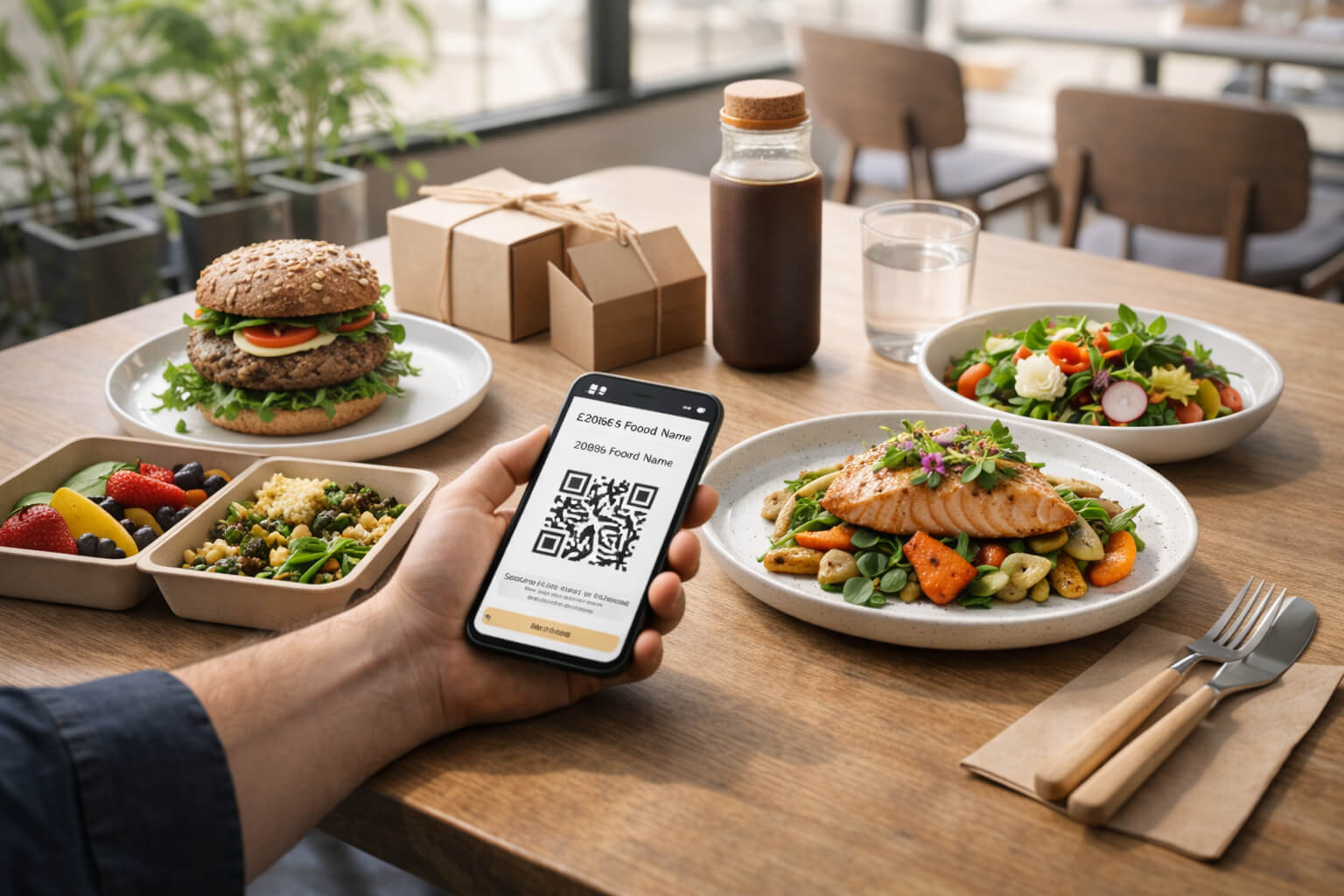
Food trends in 2026 are no longer driven by novelty alone. They are being shaped by three powerful, overlapping forces:
technology, health consciousness, and changing consumer behavior.
Today’s diners don’t just ask “Does this taste good?”
They ask:
For restaurants, keeping up with food trends isn’t about chasing hype or copying what’s viral. It’s about remaining relevant, visible, and profitable in a market where expectations change faster than menus.
Below are the most influential food trends in 2026—and, more importantly, what each one means for restaurant owners.
Plant-based food has crossed a critical threshold.
In 2026, it’s no longer positioned as “special,” “alternative,” or “niche.” Instead, diners actively expect:
Importantly, this shift isn’t driven only by vegans.
Flexitarians—diners who occasionally choose plant-based meals—now represent one of the fastest-growing customer segments.
Restaurants that treat plant-based options as an equal part of the menu (not an afterthought) benefit from:
How restaurants can market plant-based options clearly and profitably: Plant-Based Dining: How Restaurants Can Market Vegan Options
In 2026, where food comes from matters almost as much as how it tastes.
Diners increasingly associate hyper-local sourcing with:
Restaurants are leaning into:
This isn’t just about sustainability—it’s about trust-building. When diners see named farms, fisheries, or producers, the restaurant feels real, intentional, and credible.
Seasonality also creates urgency and repeat visits. Diners return to see what’s new.
How seasonal storytelling drives traffic and reservations: Seasonal Campaigns That Drive Website Traffic and Reservations
By 2026, printed menus are increasingly seen as:
Digital menus are now the standard, not a pandemic leftover.
Restaurants prefer digital menus because they:
For diners, digital menus provide:
Why digital menus improve both guest experience and margins:
Restaurants are no longer relying solely on walk-ins and one-time visits.
In 2026, subscription-based dining models are gaining traction, including:
These models benefit restaurants by creating:
For diners, subscriptions offer:
Why subscription dining is growing rapidly: Why More Restaurants Are Going Subscription-Based
Artificial intelligence in restaurants is no longer experimental—it’s operational.
In 2026, AI helps restaurants:
Instead of guessing what diners want, restaurants can now prove it with data.
AI-driven personalization leads to:
How AI is reshaping restaurant marketing and decision-making:
Diners are increasingly frustrated with third-party delivery apps due to:
In response, restaurants are pushing customers toward direct ordering through their own websites.
Direct ordering allows restaurants to:
Diners benefit from:
Why direct ordering wins long-term:
Ghost kitchens in 2026 are no longer faceless delivery operations.
They’re now used strategically to:
Successful ghost kitchens focus heavily on:
For small operators, they offer flexibility and experimentation without massive overhead.
A practical breakdown for restaurant owners: Ghost Kitchens Explained for Small Restaurant Owners
Taste is assumed. Experience is the differentiator.
In 2026, diners choose restaurants for:
This experience begins online, long before guests walk through the door.
Websites, photos, copy, and design now sell:
Why branding and online identity matter more than ever: Restaurant Branding 101: Why Your Online Identity Matters
Eco-conscious practices are no longer a differentiator—they’re an expectation.
In 2026, diners look for:
Restaurants that ignore sustainability risk appearing outdated or careless.
Even packaging choices affect brand perception: The Future of Takeout Packaging and How It Ties to Branding
No matter the trend—plant-based menus, AI personalization, subscriptions, or ghost kitchens—everything flows through the restaurant website.
In 2026, websites function as:
Restaurants without strong websites struggle to:
Why a modern website is non-negotiable: Why Every Restaurant Needs a Website—and How to Launch One Fast
Food trends in 2026 reflect deeper shifts in how people eat, choose, and trust restaurants.
The restaurants that win won’t be those chasing every trend—but those that:
Menus will evolve.
Technology will evolve.
Consumer expectations will keep rising.
Your website must evolve with them—because in 2026, food trends don’t just live on plates.
They live online.
Stay up to date with the latest tips, expert insights, product reviews, and step-by-step guides to help you grow, create, and succeed—no matter your industry or passion.