
January 13, 2026
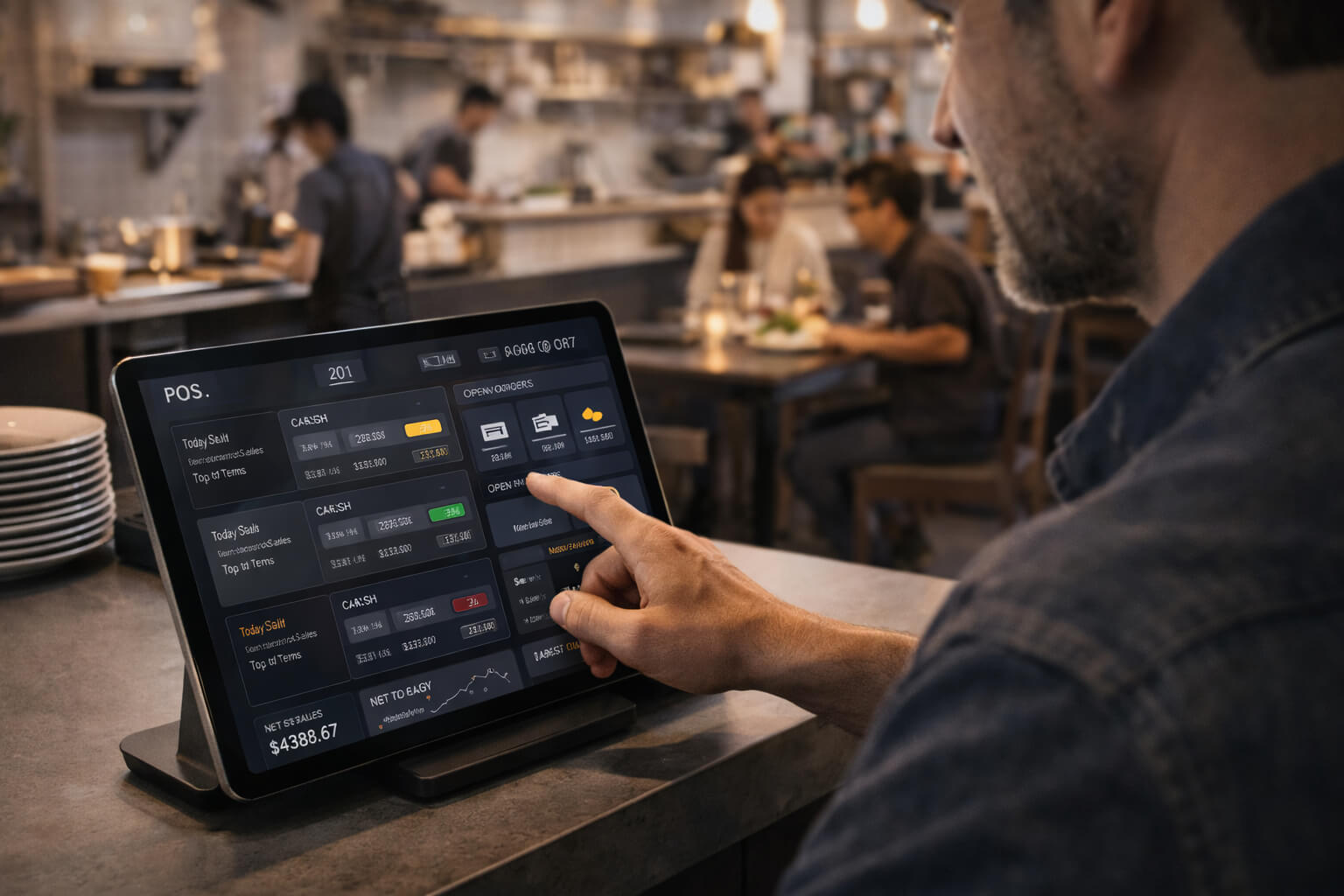
Choosing the right POS system is no longer just about billing or printing receipts.
In 2026, a restaurant POS is the central nervous system of your operation. It connects:
For small restaurants, this choice is especially critical. The wrong POS slows service, frustrates staff, creates menu errors, and limits growth. The right POS can increase efficiency, reduce waste, improve margins, and unlock direct online revenue—especially when paired with a strong website.
This guide breaks down:
Diner expectations have changed permanently.
In 2026, customers expect:
Your POS directly affects:
A modern POS isn’t just an operational tool—it’s a customer experience platform. Restaurants that invest in the right tech stack consistently outperform competitors: Restaurant Tech Stack: The 5 Tools Every Owner Needs
Before comparing brands, small restaurant owners should focus on capabilities, not buzzwords.
High staff turnover means your POS must be:
If staff struggle, service slows—and mistakes increase.
Your POS should sync directly with your own website, not just third-party delivery apps. This allows:
Modern POS systems automatically update:
This prevents overselling and customer frustration.
A POS that integrates cleanly with your website enables:
Why POS + website integration matters: How to Integrate Your POS With Your Website
Best for: Cafés, coffee shops, bakeries, food trucks, pop-ups, quick-service concepts
Why Square Works in 2026
Square is ideal for owners who want to launch quickly, keep costs predictable, and avoid technical complexity. It’s especially strong for single-location, counter-service restaurants.
Best for: Full-service restaurants, growing independents, high-volume locations
Why Toast Stands Out
Toast shines when paired with a conversion-focused website that pushes direct orders: Why Small Restaurants Must Invest in Online Ordering
Best for: Inventory-heavy concepts, multi-location restaurants, data-driven operators
Why Lightspeed Excels
Lightspeed is ideal for restaurants that want to optimize menus using real data, not guesswork: Using Customer Data to Make Smarter Menu Decisions
Best for: Small dine-in restaurants, bars, hybrid concepts
Why Clover Works Well
Clover performs best when combined with digital menus and mobile-first websites: How Digital Menus Improve Guest Experience and Save Costs
Best for: Table-service and hospitality-focused restaurants
Why TouchBistro Is Popular
TouchBistro reduces service friction and improves table turnover—especially in busy dining rooms.
A POS alone doesn’t create growth—it creates data.
Restaurants that connect POS systems with high-performing websites gain:
This integration is critical as restaurants reduce dependence on third-party platforms:
Modern POS systems don’t just process orders—they fuel marketing.
POS data supports:
When connected to your website, this data becomes a growth engine:
Many small restaurants struggle because they:
A POS decision should be evaluated like an investment—not an expense.
How to think about ROI before choosing: How to Calculate ROI on Restaurant Marketing Campaigns
The best POS systems now support:
As restaurant tech evolves, your POS must scale with you:
The best POS system for a small restaurant in 2026:
A smart POS doesn’t just speed up checkout.
It improves decisions, strengthens marketing, reduces costs, and increases profitability.
Choose wisely—your entire restaurant runs on it.
Stay up to date with the latest tips, expert insights, product reviews, and step-by-step guides to help you grow, create, and succeed—no matter your industry or passion.