June 17, 2025
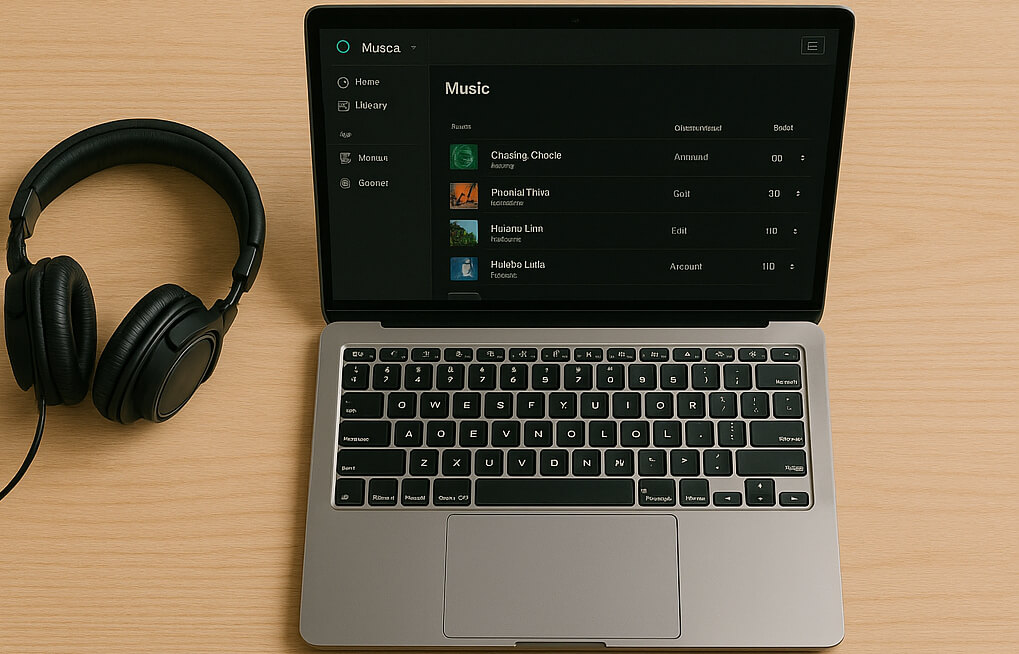
A music discovery newsletter can help you find artists and recordings outside your usual listening habits. Choose one for the usefulness of its recommendations and the way it fits your interests.
Decide whether you want new releases, a particular genre, production analysis, or background listening. A focused newsletter is easier to evaluate than one promising something for everyone. Write down two or three topics you would like each edition to cover.
Look for an archive or sample edition. Check whether it names the artists, explains why each selection is interesting, and links to a clear destination. Distinguish recommendations from advertisements and check whether the author explains sponsored placements.
Review the sender, delivery frequency, signup fields, and unsubscribe process. If a subscription has a price or trial, read the current terms on the provider’s own website. Claims about audience size do not tell you whether the selections will be useful to you.
Keep a short listening queue. After each edition, save a few tracks, note what caught your attention, and remove recommendations you do not want to revisit. A small, maintained queue is easier to use than a growing folder of unread messages.
Finding a track in a newsletter is a starting point for listening. If you want to include it in a creative project, check the original source and the applicable usage terms before using the recording.
Write a short brief before comparing subscriptions. Include the styles you already enjoy, the subjects you want to explore, and the amount of listening time you can realistically set aside. Someone researching independent producers needs different recommendations from someone looking for relaxed weekend listening. Your brief gives you a consistent way to decide whether an edition helps.
For example, a listener might write: “I want unfamiliar acoustic artists, a short explanation of each recommendation, and enough information to find the original release.” That is an evaluation example, not a promise from any particular newsletter. Add a second preference, such as occasional interviews, only if it matters. A clear brief helps prevent a large mailing list from becoming another source of unfinished reading.
Look beyond the number of links in an edition. Useful editorial work can include a specific observation about an arrangement, background on an artist, or a reason two releases belong together. Ask whether the commentary helps you hear something you would otherwise miss. A short, considered recommendation can be more valuable than a long list without explanation.
Notice how the editor handles uncertainty and opinion. A personal response to a recording is different from a factual statement about a release date or a musician’s role. Clear attribution makes those distinctions easier to follow. You can also check whether the same artists appear repeatedly and whether the archive shows a range of choices that matches the newsletter’s stated focus.
Open a few links from a sample edition. Confirm that they identify the artist and recording you expected, rather than leading only to a general homepage. Note whether a destination requires an account or works in the way you prefer to listen. You are checking the convenience of the recommendation, not assuming that access will remain identical on every platform.
Keep the original artist or release page in your notes when it is available. That makes it easier to recover a recommendation if a playlist changes. If an edition mentions a concert, collaboration, or interview, check that the linked page supports that description. This small spot check can tell you more about the usefulness of the newsletter than a promotional statement about its reach.
Create a simple record with columns for the newsletter name, edition date, recommendations you tried, discoveries you saved, and questions left unanswered. Review two sample editions where an archive allows it. This is an organizational method, not a statistically reliable ranking. Its purpose is to make your own preferences visible instead of relying on memory.
A useful note might read: “Tried three recommendations, saved one artist, enjoyed the production commentary, and found the event section irrelevant.” Another newsletter may produce fewer discoveries but offer better interviews. Avoid turning every difference into a numeric score. Record the particular benefit each publication provides, then choose a manageable combination rather than subscribing to several publications that perform the same job.
Choose a place for recommendations to go before subscribing. That might be a single listening queue, a notebook, or a folder of release links. Keep the process simple enough to use when an edition arrives. If saving a recommendation requires several applications and elaborate tagging, you may stop using the system even when the editorial content is strong.
Set aside a realistic review window, such as one listening session at the weekend. Listen to a few selections and write a sentence about the one that interests you most. Move older recommendations out of the active queue when you no longer intend to try them. A maintained shortlist is more useful than an archive that creates a growing sense of obligation.
Reconsider a subscription when you consistently skip its main content, cannot tell recommendations from promotions, or rarely follow its links. These are observations about fit rather than proof that the publication is poor. A specialist newsletter can be excellent for an audience with different interests. Your decision should reflect the role you wanted it to play.
Be especially careful about claims that cannot be checked in the sample, such as promises of exclusive access without a clear explanation of what is included. Read the sender’s actual subscription information before providing additional details or starting a paid arrangement. If you decide to leave, use the stated unsubscribe method and keep a record of any paid-account change separately from your listening notes.
Before keeping a newsletter, confirm that you can describe its purpose in one sentence, find the original sources behind several recommendations, and identify a realistic time to read it. Check that the subscription arrangement is clear and that the sender explains how to stop receiving it. If payment is involved, verify the current amount and renewal conditions directly with the provider.
After a few editions, return to your selection brief. Ask what you discovered, whether the editorial context helped, and whether you actually used the recommendations. Keep the subscriptions that serve a distinct purpose. The goal is a sustainable discovery habit supported by useful editorial work, rather than a particular number of emails or an unverified promise of constant new music.
Stay up to date with the newest tips, gear reviews, and step-by-step guides to elevate your photography journey from home and beyond.