
August 24, 2025
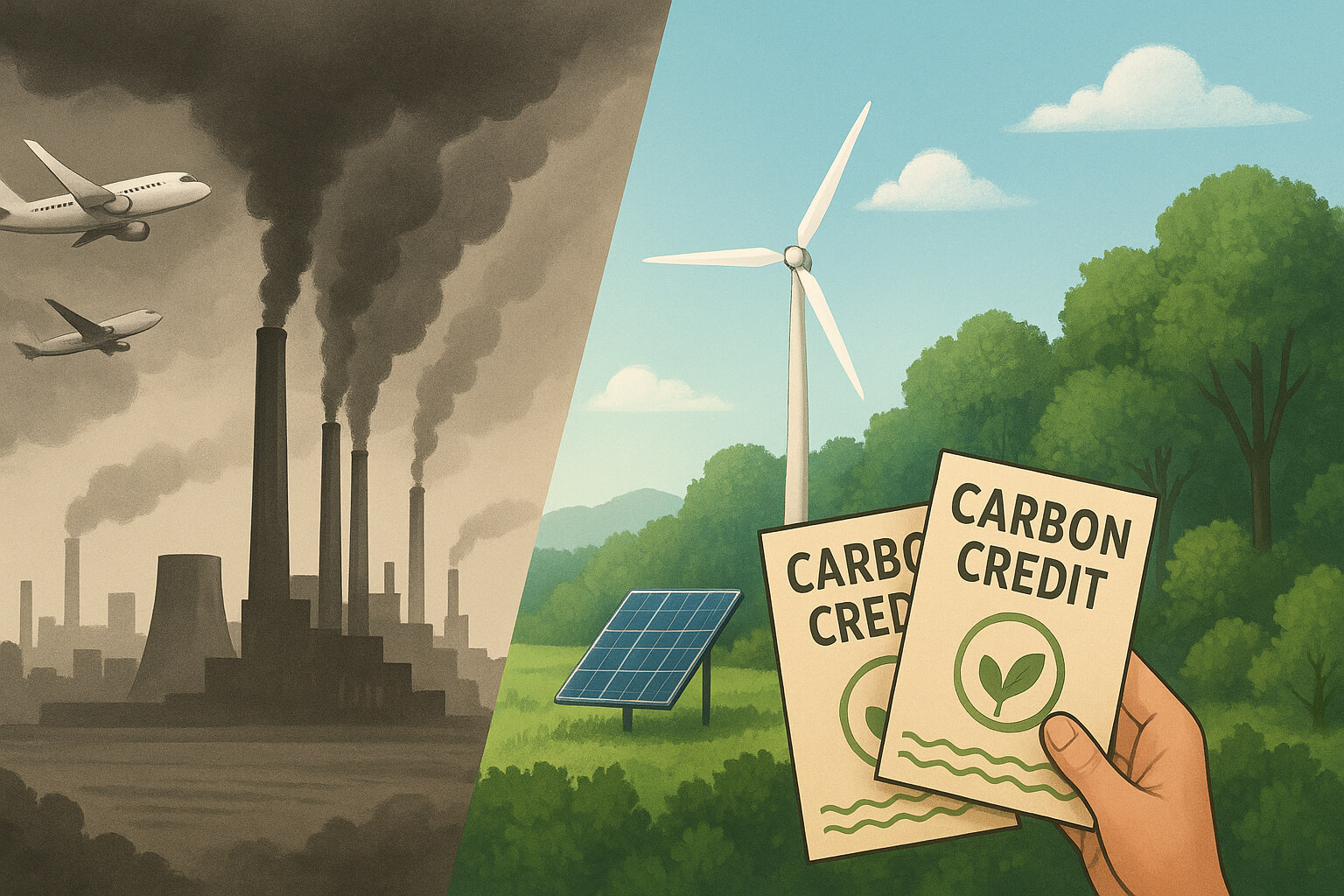
As the global urgency to address climate change accelerates, carbon offsetting has emerged as a popular strategy for individuals, companies, and governments to balance their environmental impact. On the surface, it sounds simple—emit here, reduce there. But does it actually work?
The truth is more nuanced. While carbon offsetting can play a role in climate action, its effectiveness depends heavily on how it’s implemented.
Carbon offsetting refers to the practice of compensating for greenhouse gas (GHG) emissions by funding projects that remove or reduce emissions elsewhere. These projects are diverse and typically fall into a few categories:
For example, if a company emits 1,000 tons of CO₂ annually, it can purchase offsets for the same amount and claim to be "carbon neutral."
To explore more about how carbon offsetting works on a global scale, check out the UN Carbon Offset Platform.
Despite its potential, carbon offsetting has faced increasing scrutiny and criticism.
Carbon offsetting can be effective—but only under the right conditions. It works best when it is used alongside genuine efforts to reduce emissions at the source, not as a substitute.
Offsets are most effective when:
Offsetting is ineffective or even harmful when it’s used to greenwash poor environmental practices, or when it relies on vague claims without third-party oversight.
Carbon offsetting is not a silver bullet. It should be part of a wider sustainability strategy.
For businesses, setting science-based targets is one of the most credible ways to reduce emissions systematically. The Science Based Targets initiative (SBTi) helps companies align with the 1.5°C goal of the Paris Agreement by defining and validating realistic reduction pathways.
If you do decide to invest in offsets, look for certified, impact-driven projects that are:
Offset platforms with strong reputations include:
Climate action is interconnected with broader social and environmental issues, from food security and animal welfare to education and mental health. For further insight on these critical topics, consider these helpful reads:
Stay up to date with the latest tips, expert insights, product reviews, and step-by-step guides to help you grow, create, and succeed—no matter your industry or passion.


