
September 07, 2025
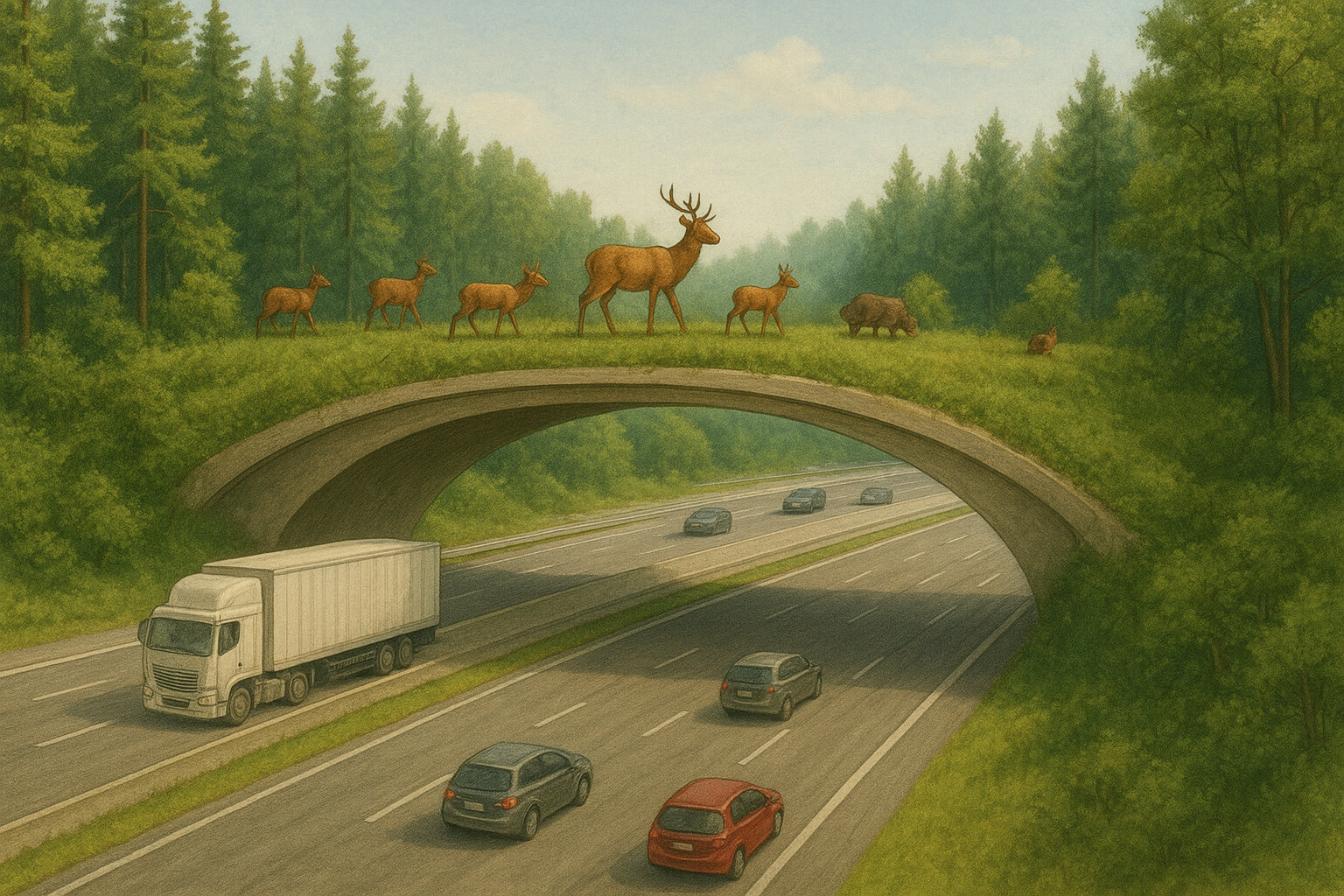
As human development expands, natural habitats are increasingly fragmented by roads, cities, fences, and farmlands. This physical separation isolates wildlife populations, limiting their access to essential resources and threatening their long-term survival. Wildlife corridors are a crucial solution—designed to reconnect these fragmented landscapes and help protect biodiversity.
Without safe passages between habitats, animals face declining genetic diversity, increased road mortality, reduced access to mates and food, and greater difficulty adapting to climate change. The result? Many species are pushed closer to extinction.
Wildlife corridors are not just conservation tools—they are vital lifelines for maintaining ecosystem health. Here's why they matter:
For a broader context on restoring nature, check out Understanding Ecosystem Restoration: Bringing Nature Back.
Wildlife corridors come in many shapes and sizes, depending on the landscape and the species they support. These include:
Across the globe, wildlife corridors are proving to be game-changers in conservation:
These real-world projects demonstrate the power of connectivity to protect wildlife and reduce threats from human activity.
Even if you’re not involved in conservation professionally, you can still make a difference:
Wildlife corridors are more than just clever infrastructure—they are symbols of coexistence. In a world where wild spaces are shrinking and the climate is changing rapidly, corridors give animals the freedom to move, the space to thrive, and the chance to survive.
By investing in these pathways—financially, politically, or in your own backyard—you’re helping rebuild the interconnected web of life that sustains not only wildlife but the health of our entire planet.
Stay up to date with the latest tips, expert insights, product reviews, and step-by-step guides to help you grow, create, and succeed—no matter your industry or passion.


