
September 01, 2025
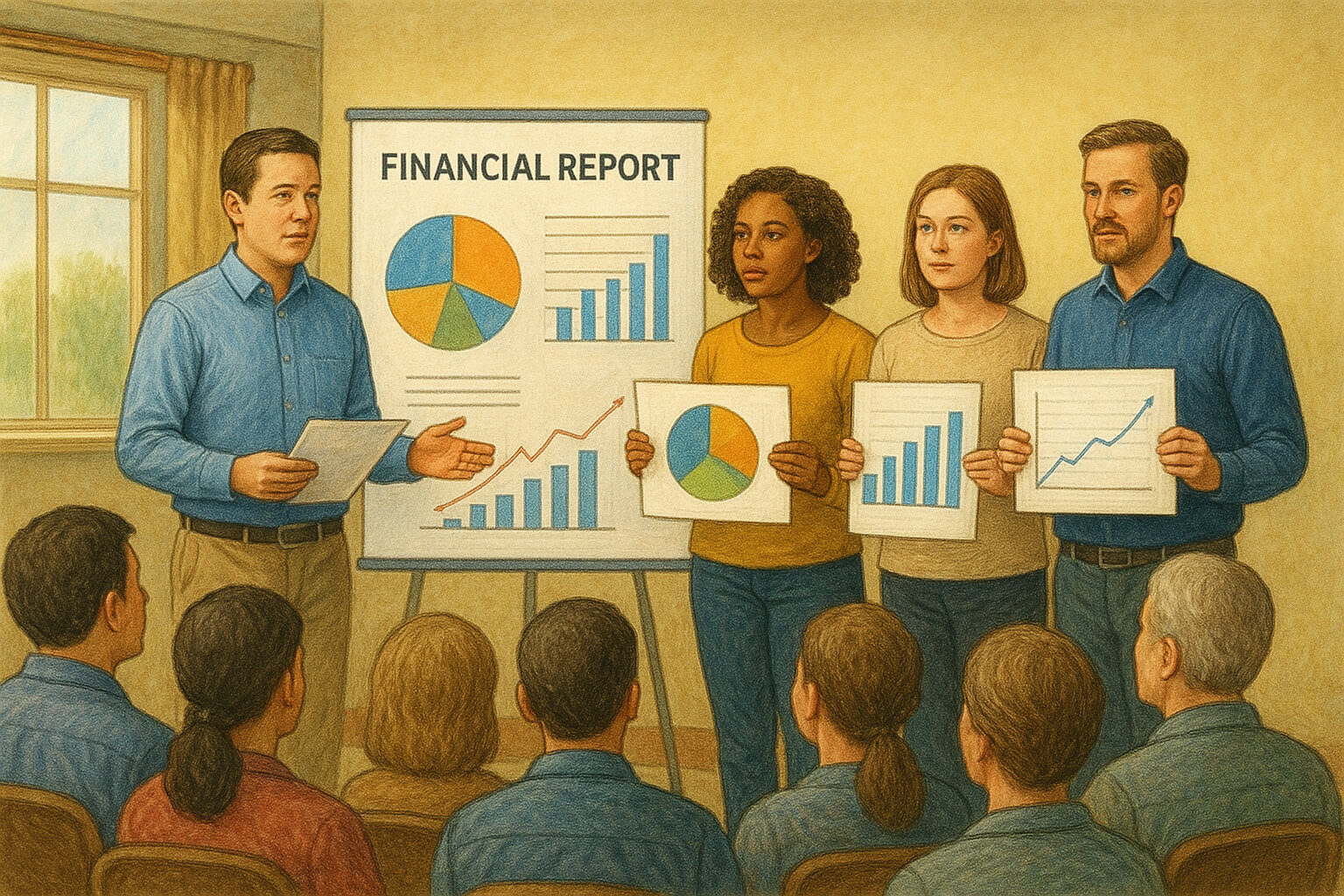
In the world of non-profit organizations, transparency is more than a best practice—it’s a moral imperative. With the growing emphasis on accountability, ethical governance, and measurable impact, transparency is the bridge between organizations and the communities they serve. It fosters trust, strengthens stakeholder relationships, and ultimately improves long-term sustainability.
As donors become increasingly discerning and communities more informed, non-profits must embrace transparency not only to comply with regulations but also to build credibility and maximize their social impact.
Trust is the currency of the non-profit sector. Without it, fundraising stalls, partnerships dissolve, and missions falter. According to Giving USA, transparency directly influences donor confidence and giving patterns.
A clear commitment to openness signals that:
Online platforms like Charity Navigator and GuideStar by Candid exist to empower donors to evaluate these very traits, making it even more important for organizations to proactively manage their public reputation.
Related: Learn how strong governance and program transparency helped foster-based animal rescues earn public trust and expand community reach.
Publishing annual reports, IRS Form 990s (for U.S.-based organizations), and independent audit results ensures that donors and grantors can see how funds are allocated. This includes:
Consistent, understandable financial communication builds donor confidence—especially when tied to clearly reported impact outcomes.
Related: Read how charitable food initiatives use transparent reporting to drive public donations and government support.
Beyond saying what they do, transparent non-profits also show what they achieve. Measurable indicators such as:
can be powerful tools for advocacy, fundraising, and credibility. Sharing stories of impact—especially those backed by data—brings programs to life for external audiences.
Example: Learn how educational equity programs share their student outcomes to build donor confidence.
A well-structured board and leadership team are essential for transparency. This includes:
Resources like BoardSource provide a framework for best governance practices in non-profits.
Related: In mentorship-focused youth programs, leadership accountability is critical to maintaining safe and effective services for minors.
Transparent organizations make it easy for stakeholders to ask questions, provide feedback, and receive timely updates. Websites, newsletters, annual reports, and social media platforms should clearly communicate:
Example: Public health nonprofits often rely on real-time updates to maintain trust during emergencies or outbreaks.
Even well-intentioned organizations struggle with transparency due to:
Being transparent doesn’t mean oversharing—it means sharing what matters, clearly and ethically.
Transparency isn't just a compliance issue—it's a culture. Here’s how organizations can embed it into their DNA:
Related: Community-centered initiatives that include public voices in planning and evaluation are more likely to maintain long-term support.
A youth literacy non-profit launched a digital impact dashboard showing real-time reading levels, graduation rates, and program attendance. Donors could track the outcomes of their contributions, and the organization saw a 28% increase in repeat giving in one year.
Similarly, organizations addressing issues like climate change and food waste have used open environmental data to win grants and mobilize communities.
In an age of growing skepticism and digital scrutiny, transparency isn’t a choice—it’s a responsibility. Non-profits that embrace openness position themselves for greater impact, deeper relationships, and more resilient futures.
Whether you’re a small grassroots movement or an international NGO, remember: your donors, volunteers, and communities want to see what you're doing—and why it matters.
By making transparency a core value, you're not just building trust—you're building a legacy.
Stay up to date with the latest tips, expert insights, product reviews, and step-by-step guides to help you grow, create, and succeed—no matter your industry or passion.


