
August 26, 2025
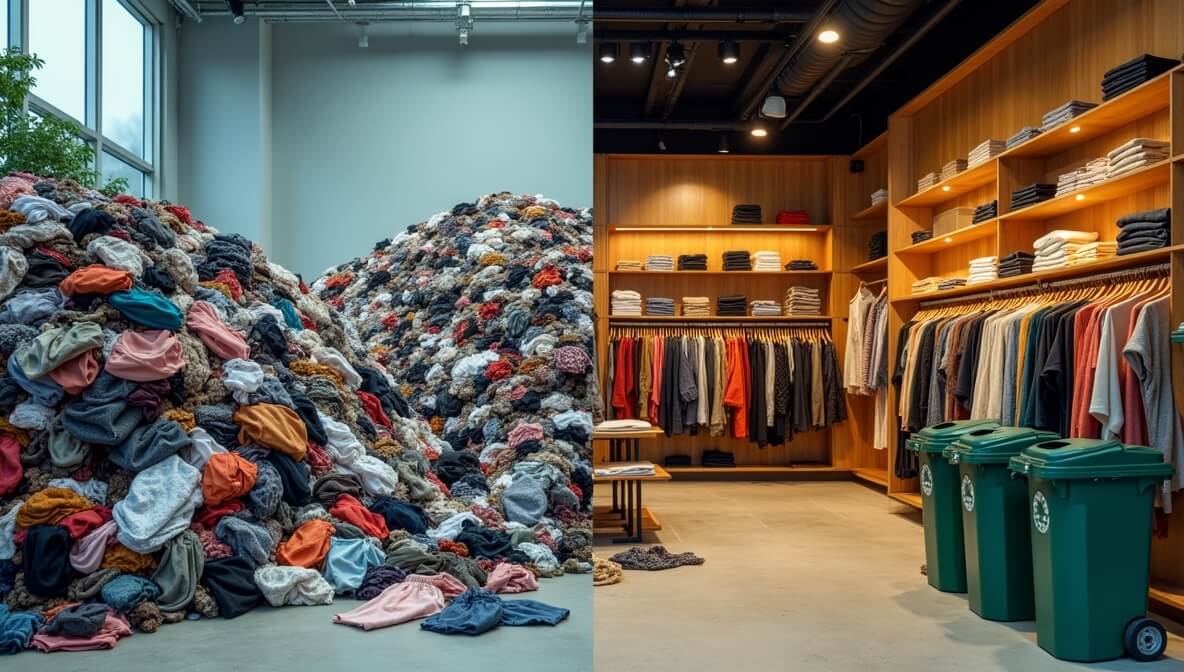
Fast fashion has become one of the largest contributors to global environmental degradation. It has transformed the clothing industry by offering consumers cheap, trendy clothing at an unprecedented rate. However, this obsession with affordability and disposability has serious hidden costs that are increasingly becoming harder to ignore. From water pollution to massive textile waste, the production and consumption of fast fashion contribute significantly to one of the largest environmental crises of our time.
While consumers enjoy the benefits of inexpensive, trend-driven clothing, the broader consequences are far-reaching, affecting not only the planet but also vulnerable communities and future generations. The time to shift to more sustainable fashion practices is now.
The shift toward sustainable fashion is gaining momentum, with an increasing number of brands adopting ethical sourcing, slow fashion, and recycled fabric principles. However, significant changes are still needed to reverse the damage caused by fast fashion.
Consumers can help by:
Additionally, fashion companies must also take responsibility by embracing circular economy principles. This includes recycling materials, using sustainable production practices, and designing garments with their entire lifecycle in mind. For instance, brands like Patagonia and Reformation have made strides toward using recycled materials and transparent, sustainable practices.
For a deeper dive into how consumer choices impact biodiversity, see Protecting Endangered Species: Why Biodiversity Matters, which highlights the broader environmental effects of consumer behavior.
Stay up to date with the latest tips, expert insights, product reviews, and step-by-step guides to help you grow, create, and succeed—no matter your industry or passion.


