
September 03, 2025
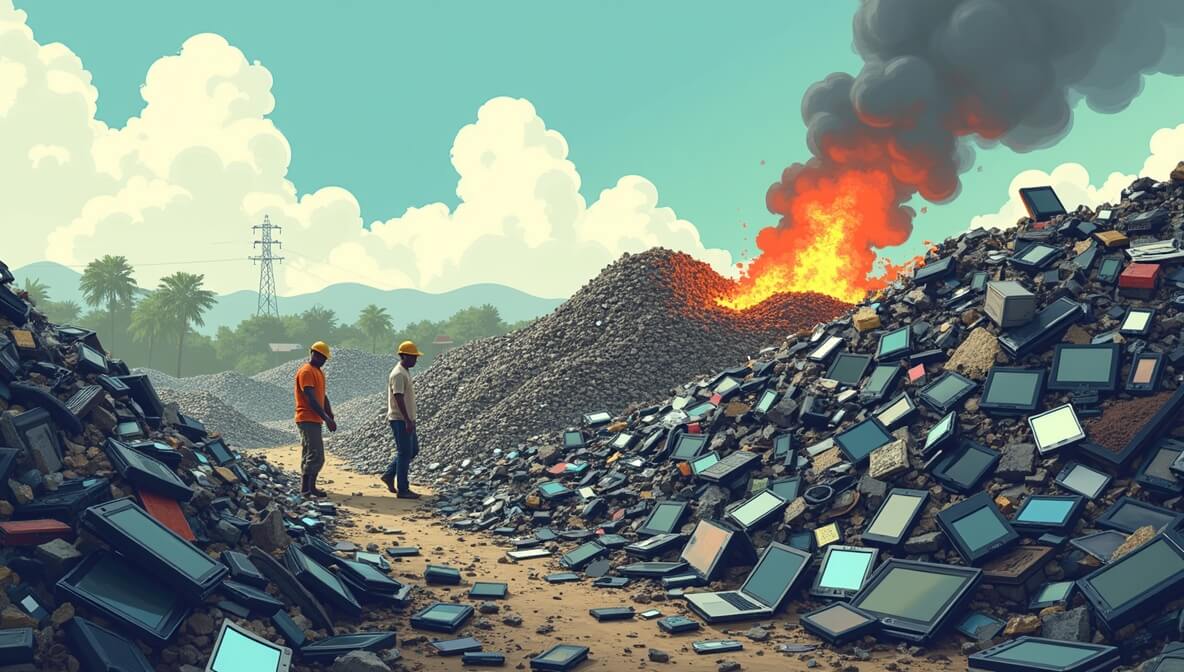
Electronic waste (e-waste) refers to discarded electrical and electronic devices, such as smartphones, laptops, televisions, home appliances, and even obsolete gadgets like fax machines or printers. With rapid technological advancements, the rise in consumer demand, and the growing trend of planned obsolescence, the volume of e-waste is growing at an alarming rate. According to the Global E-Waste Monitor 2024, the world generated over 62 million metric tons of e-waste in 2024, but only 22% was formally recycled.
E-waste is a growing global issue, yet one that is often overlooked despite its significant environmental, health, and economic impacts.
E-waste is not just a byproduct of technological progress—it's a major environmental hazard. Here's why it's such a critical issue:
While the environmental effects are alarming, the human toll of e-waste is just as serious. Those living near informal e-waste recycling sites or involved in informal recycling practices are often the most affected.
Recognizing the scale of the e-waste crisis, several global initiatives and national policies are being implemented to mitigate the problem. These efforts focus on reducing e-waste generation, improving recycling rates, and protecting the environment and human health.
While government action and recycling infrastructure are critical, individuals also have an important role to play in reducing e-waste. Here are some ways you can make a difference:
Stay up to date with the latest tips, expert insights, product reviews, and step-by-step guides to help you grow, create, and succeed—no matter your industry or passion.


