
September 10, 2025
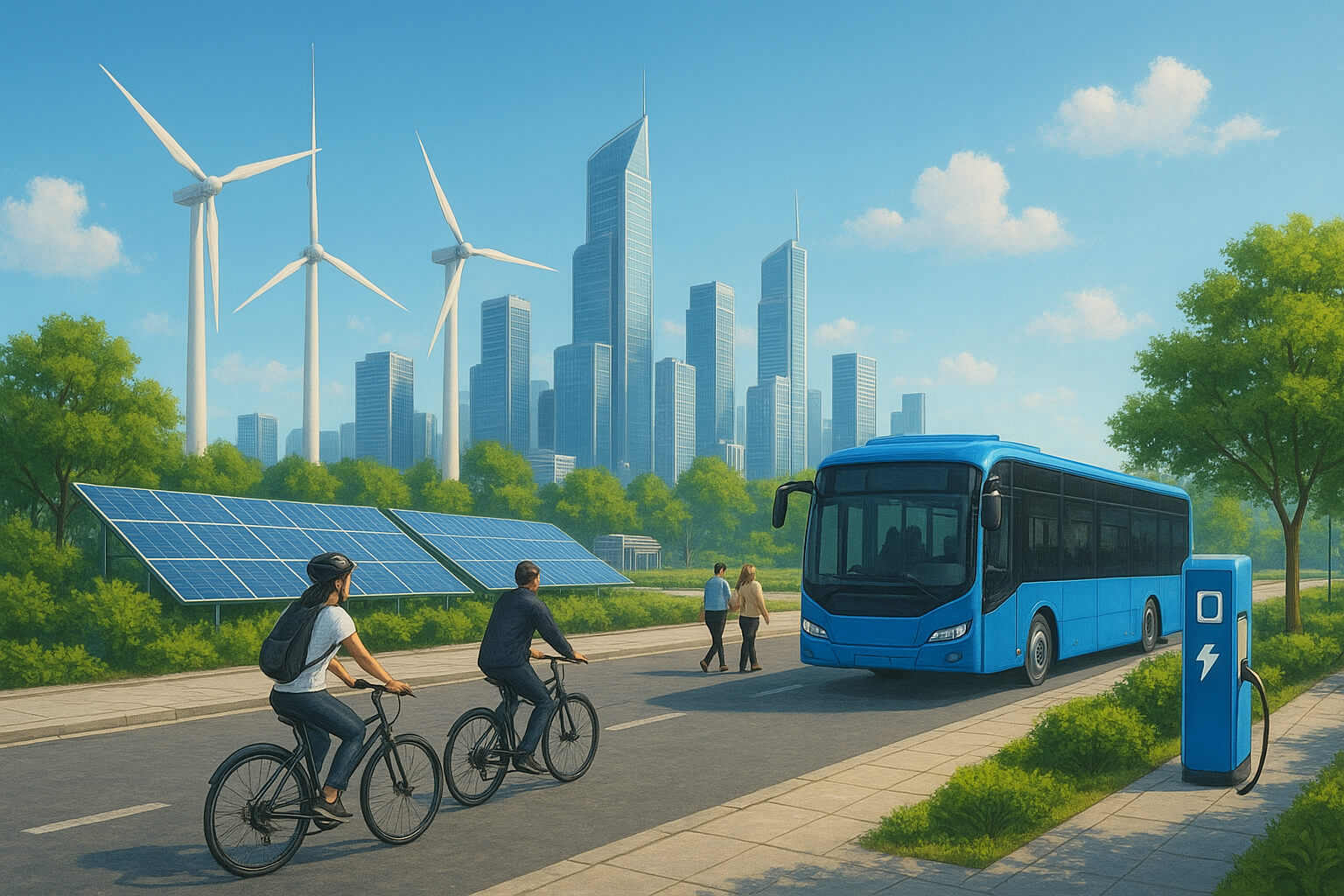
Transportation is a fundamental pillar of modern life, connecting people to jobs, education, healthcare, and each other. From daily commutes to global logistics, mobility fuels economic growth and personal freedom. However, the conventional transportation systems that power our cities and economies—largely dependent on fossil fuels—come with significant environmental, health, and social costs.
In the face of climate change, air pollution, and urban congestion, sustainable transportation offers a smarter, cleaner, and more equitable alternative. By rethinking how we move, we can build systems that support both people and the planet.
Sustainable transportation refers to mobility systems that meet current travel needs without compromising the ability of future generations to meet theirs. It emphasizes:
Common examples include:
According to the United Nations Sustainable Development Goals (SDGs), sustainable transportation is essential to achieving climate action (Goal 13), sustainable cities and communities (Goal 11), and economic growth (Goal 8).
For more insights into how transportation fits into broader sustainability strategies, see The Circular Economy: A New Approach to Resources.
Whether you're a policymaker, business owner, or commuter, you can support the shift to sustainable transportation:
Small changes in daily routines, when multiplied across millions, can drive major systemic change.
Sustainable transportation is more than just a green option—it's a necessity for a livable future. By transforming how we move, we can:
The journey toward sustainability starts with reimagining mobility—not just as a way to get from point A to point B, but as a tool for shaping healthier, happier, and more resilient societies.
Stay up to date with the latest tips, expert insights, product reviews, and step-by-step guides to help you grow, create, and succeed—no matter your industry or passion.


