
September 03, 2025
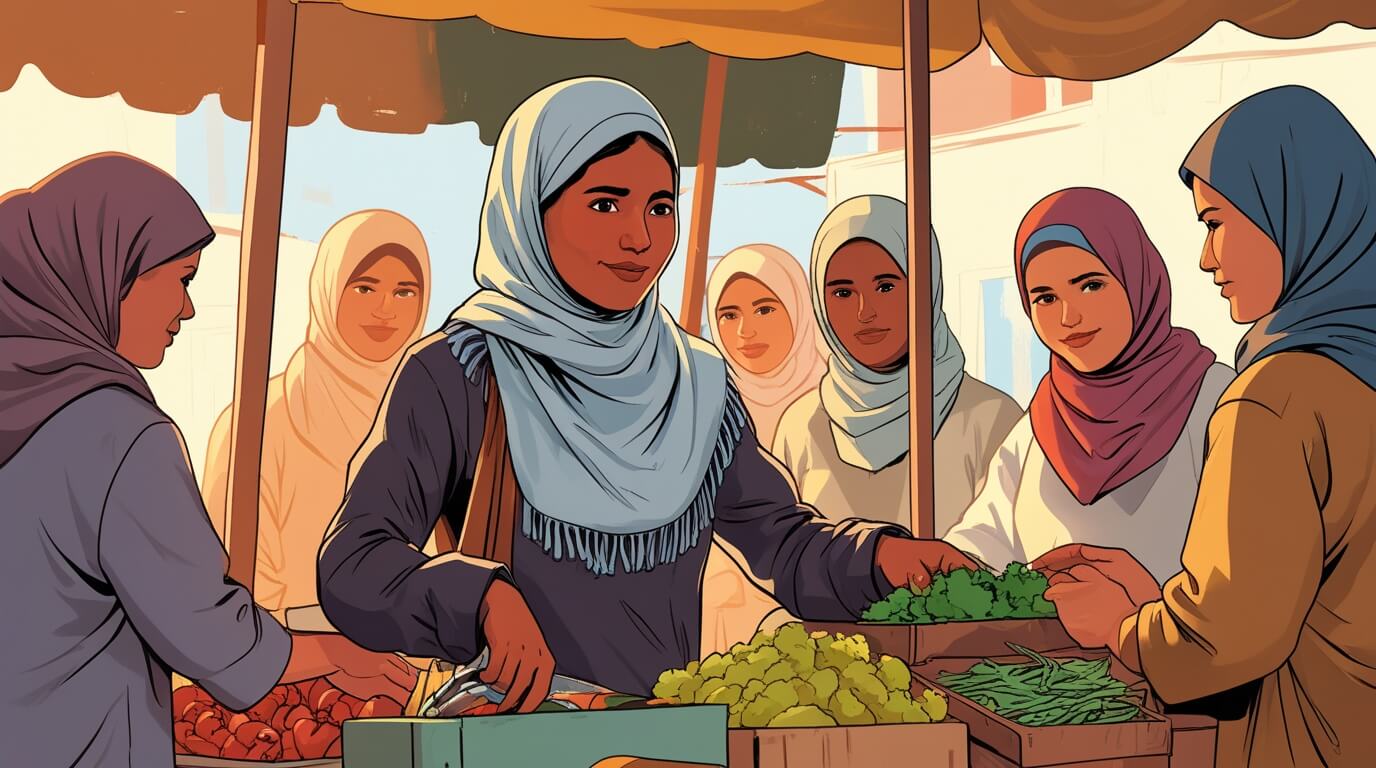
When individuals and families are forced to flee their homes due to war, persecution, or natural disaster, they often leave behind more than just their belongings. They also lose their livelihoods—their jobs, businesses, and the means by which they were able to support themselves. Rebuilding their lives in a new country requires more than just basic needs like food and shelter; it demands the opportunity to work, gain skills, and achieve self-sufficiency. Supporting refugee livelihoods is integral not only to poverty alleviation but also to achieving long-term social justice.
Despite the willingness and resilience of refugees, they encounter numerous challenges that hinder their ability to rebuild their livelihoods:
These barriers can trap refugees in cycles of poverty and dependency, perpetuating their vulnerability. However, targeted interventions can help to overcome these challenges and create pathways toward self-sufficiency.
When refugees achieve self-sufficiency, it creates a multiplier effect that benefits everyone involved:
These outcomes directly align with global poverty alleviation strategies and contribute to the achievement of the UN Sustainable Development Goals (SDGs), especially goals related to decent work, reduced inequalities, and social justice.
Here are several ways you can make a difference:
Refugees are not passive recipients of aid—they are active agents of change who, when given the chance, can transform their lives and the communities around them. By supporting their right to work, learn, and contribute, we create opportunities for self-sufficiency that benefit not only refugees but also host communities and society at large. Supporting refugee livelihoods is not an act of charity; it’s an investment in human potential, helping to create stronger, more inclusive societies.
Stay up to date with the latest tips, expert insights, product reviews, and step-by-step guides to help you grow, create, and succeed—no matter your industry or passion.


