
September 01, 2025
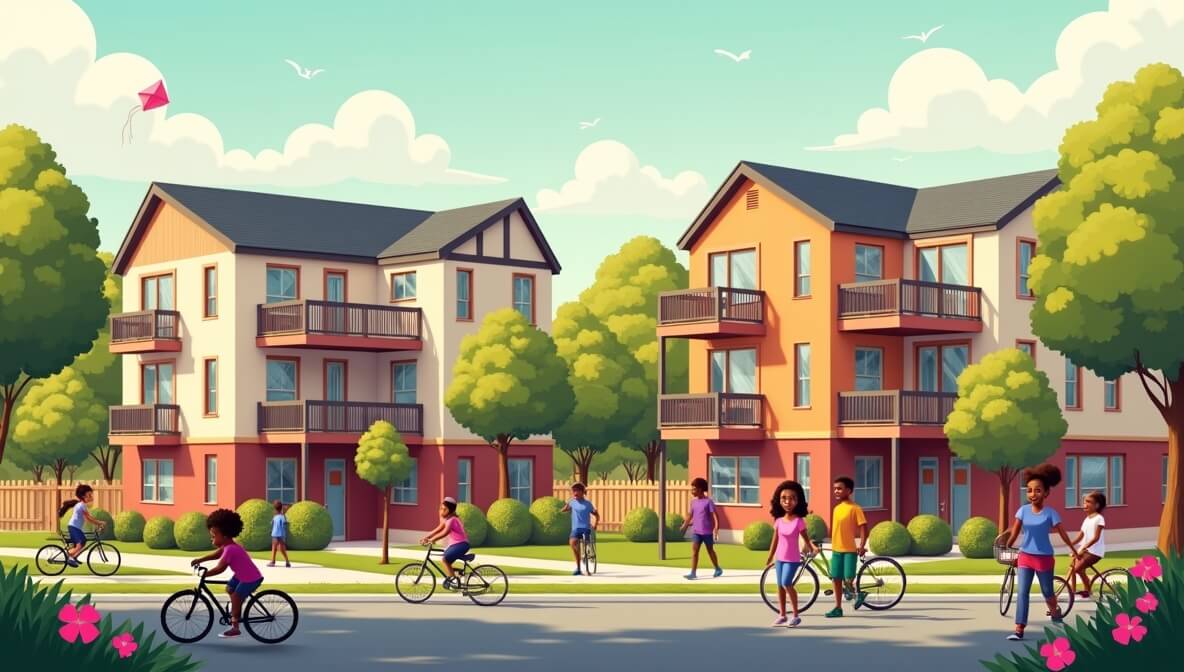
Access to safe, affordable housing is more than just a basic need—it’s a cornerstone of human dignity, economic stability, and social mobility. Yet, for millions of individuals and families across the globe, this basic right remains out of reach.
When housing is unaffordable, the consequences ripple far beyond the roof over one’s head. It affects health, education, employment, and generational opportunity. Recognizing housing as a fundamental human right is essential to any serious effort at poverty alleviation and social equity.
Affordable housing provides stability, security, and the breathing room necessary for individuals to thrive—not just survive.
According to the United Nations Human Settlements Programme (UN-Habitat), the ability to afford decent housing directly influences:
When families are not burdened by disproportionate housing costs, they’re better able to invest in food, education, healthcare, and economic advancement.
This idea parallels the message in this article on vocational training, which emphasizes that personal and economic empowerment begins with access to life’s essentials—including housing.
The housing crisis is a poverty issue—and a preventable one. Without stable housing, families may be forced into overcrowded, unsafe, or even homeless conditions. This instability disrupts access to employment, education, and health services, making it nearly impossible to escape poverty.
The World Bank notes that investments in affordable housing create ripple effects, such as:
The same systemic impact can be observed in how fair labor and ethical trade influence broader progress, as explored in this article on fair trade practices.
Despite its importance, access to affordable housing is blocked by multiple structural and socioeconomic barriers:
Research from Habitat for Humanity stresses that solving this crisis requires collaborative, innovative solutions that blend public and private resources with community insight.
Affordable housing must go beyond just cost—it must also be resilient, inclusive, and environmentally sustainable, especially in the face of global challenges like climate change.
As highlighted in this article on climate and extreme weather, increasing climate risks demand housing that is both safe and future-ready.
These models reflect a growing shift toward inclusive urban planning—where housing is not just affordable, but also adaptable, dignified, and community-oriented.
Housing is not a luxury—it is a launchpad for human potential. Without it, families struggle to access the very tools required for upward mobility: education, healthcare, safety, and economic opportunity.
Ensuring access to safe, affordable housing requires a multi-level strategy that includes:
As explored in this perspective on poverty and social justice, tackling poverty effectively means going beyond charity—toward transformational change rooted in equity and rights.
Addressing the affordable housing crisis is one of the most powerful actions we can take to reduce poverty, promote equality, and build healthier communities. It requires more than policy reform—it demands a societal commitment to fairness, sustainability, and human dignity.
Every person deserves a place to call home—a place that doesn’t just protect them from the elements, but enables them to build a life of purpose and possibility.
"Housing is absolutely essential to human flourishing. Without stable shelter, it all falls apart." — Matthew Desmond, Evicted
Stay up to date with the latest tips, expert insights, product reviews, and step-by-step guides to help you grow, create, and succeed—no matter your industry or passion.


