
How Animal Rescues Save Lives: Inspiring Stories

August 21, 2025

By RocketPages

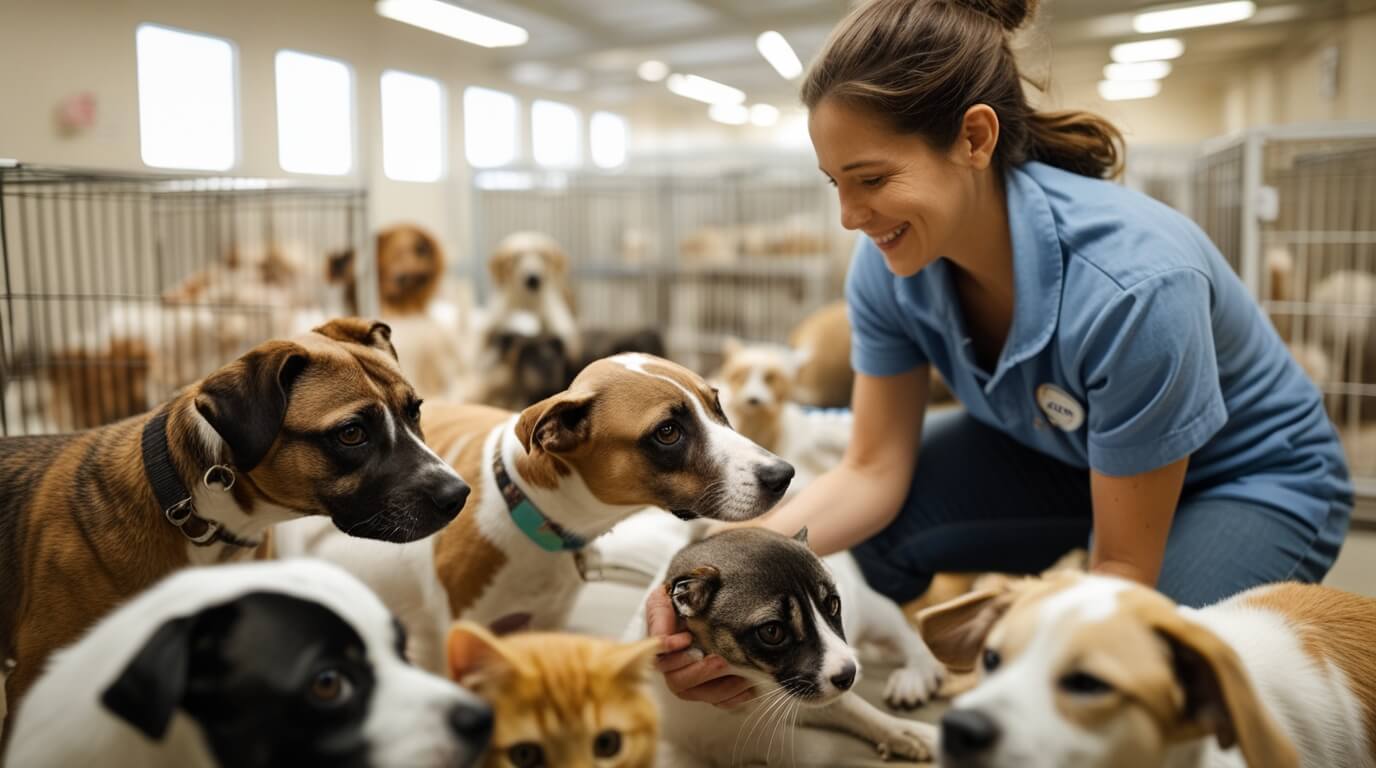
Volunteer caring for rescued dogs and cats, showing adoption and compassionate shelter environment.

Animal rescues play a vital role in our society. Every day, countless animals face abuse, neglect, abandonment, or homelessness. Animal rescue organizations are the first responders in these moments of crisis, stepping in to save lives, provide medical care, and offer emotional rehabilitation. But their work doesn’t stop there—they also educate the public, advocate for stronger animal protection laws, and help build a more compassionate world.

Let’s explore the life-changing work these organizations do and the inspiring stories that prove every animal deserves a second chance.

The Role of Animal Rescues

Whether operating locally or globally, animal rescues function as lifelines for vulnerable animals. Their services include:

1. Emergency Rescue & Care

Rescue teams respond to:

  • Abandoned animals left in dangerous conditions.
  • Natural disasters, saving animals displaced by floods, fires, or hurricanes.
  • Reports of abuse or hoarding cases, often in collaboration with law enforcement.

Once rescued, animals receive immediate veterinary care, including treatment for injuries, malnutrition, or disease.

2. Medical Treatment & Rehabilitation

Injured or sick animals often require:

  • Surgeries, vaccinations, or parasite treatments.
  • Ongoing physical or behavioral therapy.
  • Socialization to help them trust humans again.

This compassionate, long-term care is what transforms frightened or wounded animals into loving companions.

3. Community Education & Advocacy

Animal rescues also play a crucial role in:

  • Promoting spaying and neutering to reduce overpopulation.
  • Educating children and adults on responsible pet ownership.
  • Advocating for stricter laws against animal cruelty and neglect.

Related Reading: Why Animal Adoption is the Best Option

External Resource: ASPCA – Animal Rescue and Care

Inspiring Rescue Stories: Real Lives, Real Change

1. From Stray to Soulmate – Buddy’s Journey

Once a severely malnourished stray, Buddy was found wandering a rural road, limping and covered in ticks. A local rescue took him in, treated his infections, and placed him in a foster home where he slowly regained trust. Months later, Buddy was adopted by a family who now calls him their “gentle giant” and therapy dog.

“He went from a scared, broken dog to a happy, confident companion who brings joy to everyone he meets.”

2. Healing from Trauma – The Hoarding Case

In a heartbreaking case, over 70 cats were rescued from a single apartment. They had lived in unsanitary conditions, many suffering from respiratory issues and anxiety. One rescue, Mittens, was shy and untrusting. Through patient foster care and veterinary support, Mittens learned to play and trust again—eventually finding a quiet forever home with a retired couple.

3. Impacting the Whole Community

One small-town rescue launched a mobile spay/neuter clinic, offering free surgeries to reduce stray populations. Within a year:

  • Fewer animals were entering local shelters.
  • Adoption rates increased.
  • Reports of neglect and abandonment decreased.

These stories remind us: rescue work not only saves animals—it strengthens communities.

Related Reading: How Animal Rescues Save Lives & Understanding Animal Cruelty

External Resource: Petfinder – Adoption and Foster Resources

How You Can Help Animal Rescues

You don’t need to run a shelter to make a difference. Here are simple but powerful ways you can support animal rescue efforts:

1. Adopt or Foster an Animal

  • Adopting gives an animal a second chance and makes space for another rescue.
  • Fostering provides temporary care and prepares animals for adoption.
  • It’s also a rewarding way to help if you’re not ready for a lifelong commitment.
Each adoption is a life saved. Each foster home is a bridge to a better future.

2. Volunteer Your Time or Skills

Rescues rely heavily on volunteers. You can:

  • Walk dogs or socialize cats.
  • Help with cleaning, feeding, or administrative work.
  • Use your professional skills—photography, writing, marketing, carpentry, or IT—to support operations.

3. Donate or Sponsor

Even small donations can:

  • Buy food, supplies, or medicine.
  • Fund emergency surgeries.
  • Support spay/neuter or vaccination drives.

Many rescues also offer animal sponsorships, where your recurring donation supports a specific pet in need.

4. Advocate and Spread the Word

  • Share posts from local rescues on social media.
  • Talk to your network about adoption and fostering.
  • Support petitions or legislation that protect animals.

External Resource: Best Friends Animal Society – Volunteer Opportunities

Conclusion: Every Life Matters

  • Animal rescues are more than shelters—they are places of hope, recovery, and transformation. Behind every rescued dog, cat, or animal is a network of compassionate people who believe that all lives deserve love, safety, and dignity.
  • Whether you adopt, foster, volunteer, or donate, your actions help give these animals a second chance—and in return, they give us their unconditional love.
  • “Saving one animal won’t change the world, but it will change that animal’s world forever.”

Recent Articles

Stay up to date with the latest tips, expert insights, product reviews, and step-by-step guides to help you grow, create, and succeed—no matter your industry or passion.


Portrait studio with a sitter, soft key light and camera demonstrating directional portrait lighting
Portrait Lighting Patterns: Split, Loop and Rembrandt
Judge the light on the faceA portrait lighting pattern describes the arrangement of light and shadow on the face. It is different from the make of the light, the background color, or the overall editi...
Read More
Two educators reviewing curriculum books, sample worksheets and a checklist in a school library
Choosing a School Curriculum: A Practical Review Checklist
Clarify what decision you can makeChoosing a curriculum is different from choosing a school. A curriculum concerns the sequence of knowledge, skills, learning activities, and assessment, together with...
Read More
Teacher supporting a student using geometric learning materials and a notebook in a classroom
Personalized Learning Approaches: Goals, Support and Feedback
Begin with a learning goalPersonalized learning involves making informed choices about instruction and support for a learner. Start with the knowledge or skill being developed, not with a product or a...
Read More
