
August 29, 2025
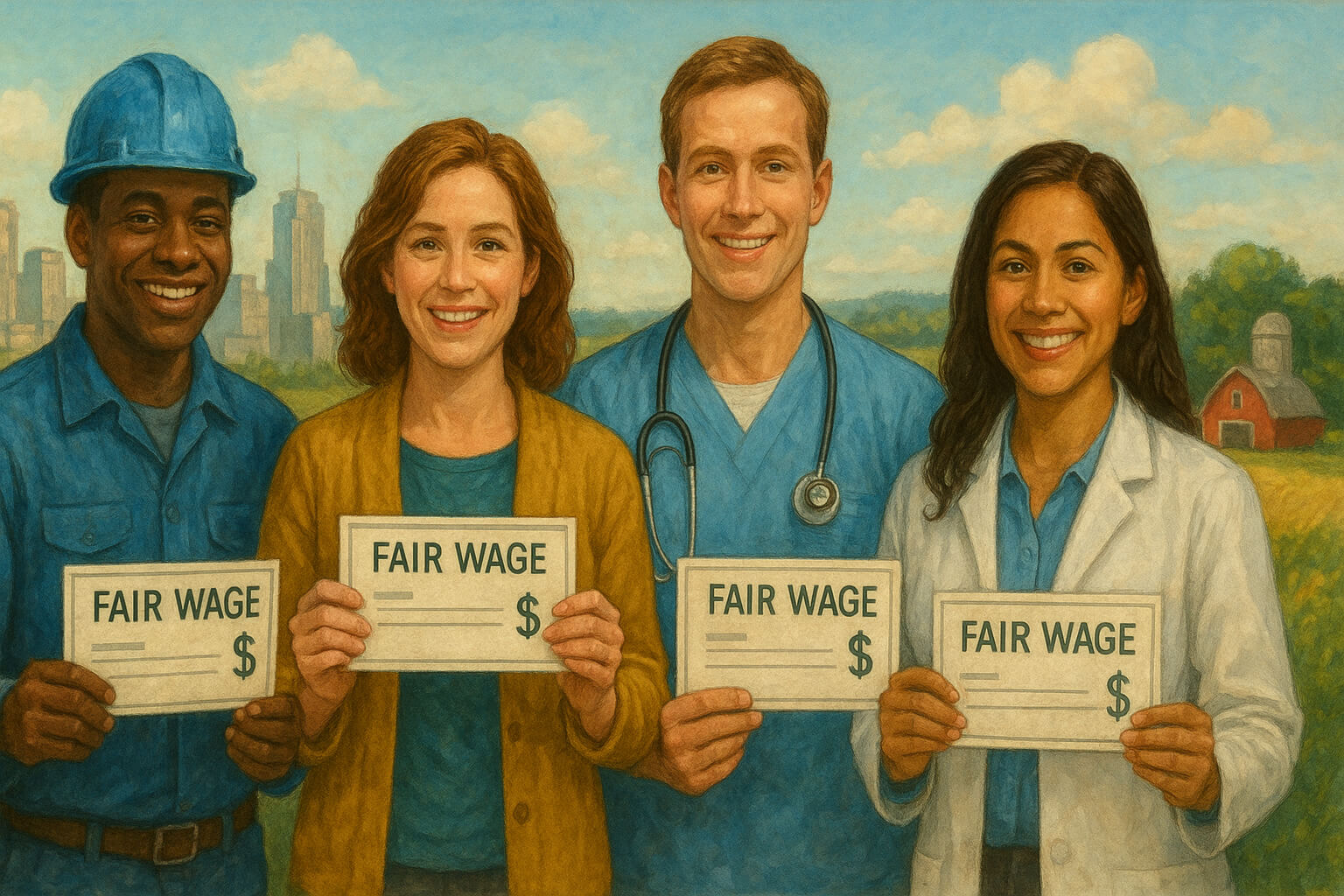
Ensuring fair wages is one of the most effective ways to break the cycle of poverty. Around the world, millions of individuals are employed full-time yet continue to struggle to meet their most basic needs. This is because their wages fall below the cost of living, leaving them unable to afford secure housing, nutritious food, healthcare, or quality education.
Fair wages empower families to live with dignity, strengthen local and national economies, and create opportunities for future generations. More than just financial compensation, fair wages represent a commitment to equity, respect for labor, and social justice.
A fair wage ensures workers can afford life’s essentials without having to sacrifice one necessity for another. It means that someone working 40 hours a week can provide food for their family, cover rent, send their children to school, and still plan for emergencies.
Research and real-world evidence show that fair wages generate ripple effects across society:
This issue is closely tied to income inequality, which continues to widen globally. Closing the wage gap is a direct step toward narrowing inequality and building inclusive economies.
The relationship between wages and poverty is straightforward: without adequate income, workers cannot escape poverty, regardless of how many hours they work. In many regions, the working poor make up a significant percentage of the labor force.
Despite overwhelming evidence of the benefits, systemic barriers continue to block progress:
These barriers perpetuate cycles of inequality, highlighting the urgency for stronger wage policies and labor rights enforcement.
Overcoming these barriers requires coordinated action from governments, businesses, nonprofits, and workers:
Stay up to date with the latest tips, expert insights, product reviews, and step-by-step guides to help you grow, create, and succeed—no matter your industry or passion.


