
August 29, 2025
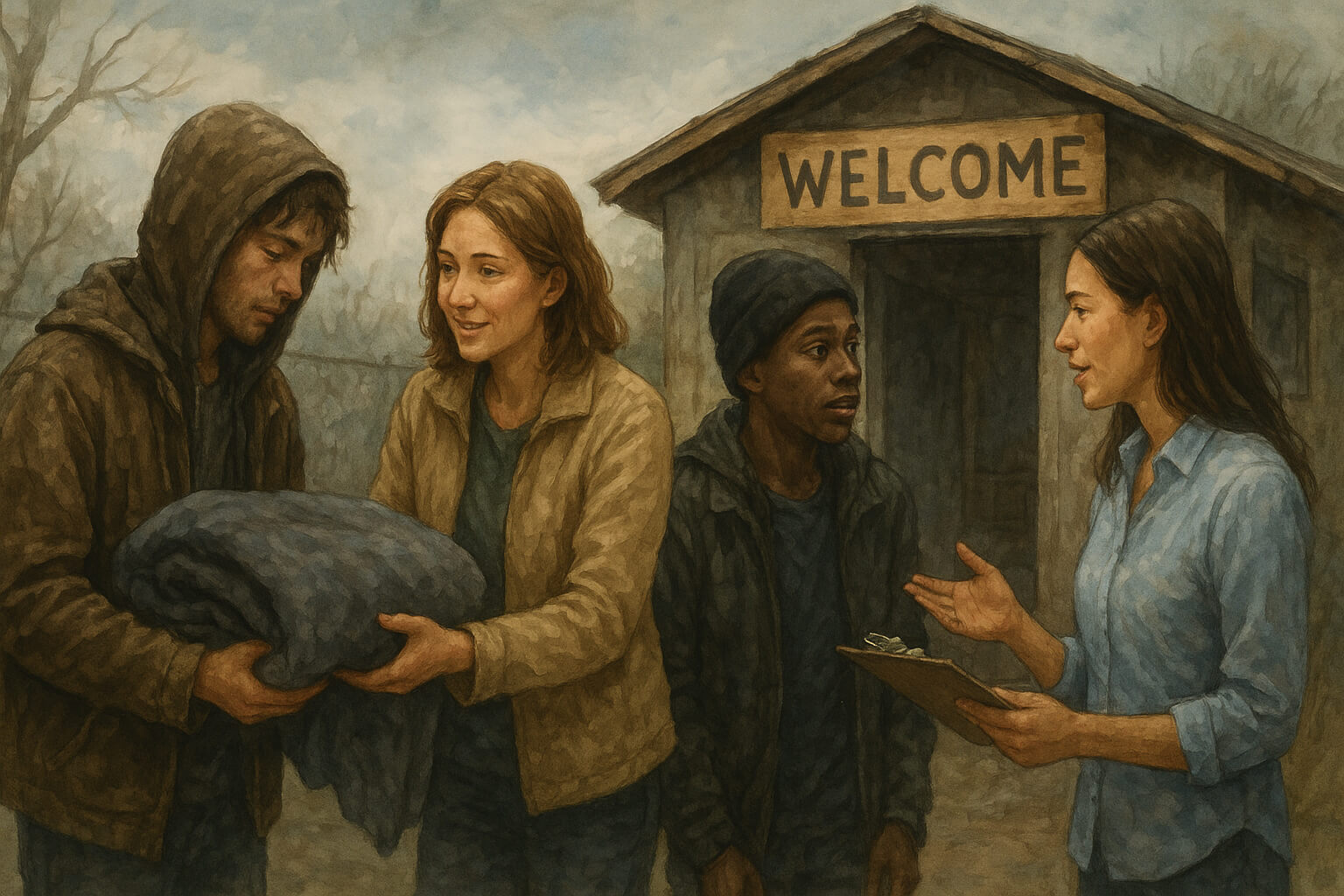
Youth homelessness is one of the most pressing social justice challenges of our time. For young people, the absence of stable housing is not only about lacking a roof over their heads—it affects nearly every aspect of their lives. Without safe shelter, they face heightened risks of exploitation, interrupted education, poor mental and physical health, and the possibility of long-term poverty and exclusion from opportunity.
Unlike adults who may have broader access to work or social safety nets, young people are still in a critical stage of development. Homelessness during these formative years can create long-lasting trauma and hinder the ability to transition into stable, independent adulthood. Tackling youth homelessness requires an approach that blends prevention, immediate safety measures, and long-term supports designed to help youth thrive rather than merely survive.
Youth rarely become homeless because of a single reason. Instead, homelessness emerges at the intersection of personal, family, and systemic challenges:
Emergency circumstances such as parental incarceration, sudden eviction, or food insecurity can push already vulnerable youth into homelessness. For deeper insights into how child hunger and homelessness intersect, see overview. External research, including Covenant House’s work, confirms that the scale of youth homelessness is vast and urgent, affecting millions worldwide.
Immediate responses must go beyond simply providing “a bed for the night.” Young people experiencing homelessness need safety, dignity, and pathways to stability. Effective emergency programs typically offer:
Organizations such as the National Network for Youth emphasize that youth-centered care models—where services are designed around the young person’s voice, safety, and dignity—produce the most sustainable outcomes.
While emergency support saves lives, lasting solutions must address the structural conditions that push youth into homelessness. Key strategies include:
Youth homelessness is not just a matter of individual misfortune—it’s a systems problem. Policy reforms are critical:
In the U.S., organizations such as HUD and the National Alliance to End Homelessness provide frameworks for action. Globally, agencies like UNICEF highlight the importance of child protections, social safety nets, and coordinated policies.
Stay up to date with the latest tips, expert insights, product reviews, and step-by-step guides to help you grow, create, and succeed—no matter your industry or passion.


