
October 13, 2025
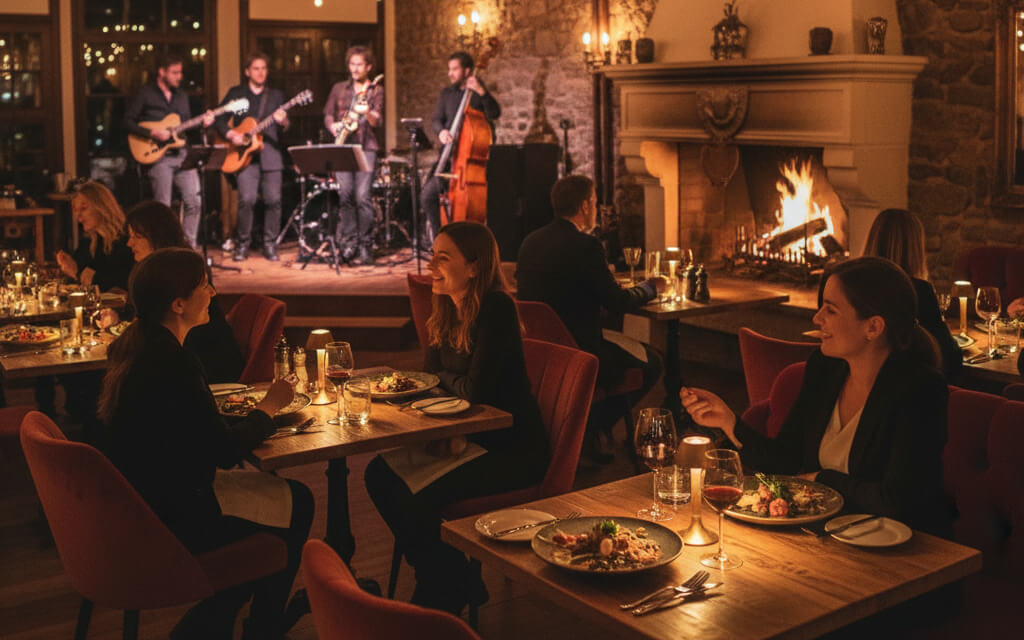
Music affects guest experience more than many restaurant owners realize. It shapes mood, changes the pace of a meal, influences how long people stay, and helps define how a space feels from the moment a guest walks in. Long before a customer finishes a dish, they are already responding to the sound of the room.
For restaurants, cafes, lounges, and hospitality brands, music is not just background filler. It is part of the overall environment, just like lighting, layout, service, and visual branding. When the soundtrack fits the concept, it can make the experience feel more polished, memorable, and emotionally consistent.
Guests do not enter a restaurant as blank slates. They bring stress, expectations, distractions, and habits with them. Music helps transition them into the atmosphere you want them to feel. Soft acoustic playlists can create calm. Upbeat tracks can add energy. Instrumental music can make a room feel elegant or focused.
This is one reason restaurant ambience matters so much. Before guests judge the food, they are already forming impressions about comfort, quality, and identity. Music works as a cue that tells them what kind of place they are in and what kind of experience to expect.
Tempo affects behavior. Faster music can make a room feel more active and can subtly increase pace, which may suit quick-service environments or busy lunch periods. Slower music can encourage people to relax, stay longer, and settle into the experience, which often works better in fine dining, date-night settings, or lounges.
This does not mean restaurants should manipulate guests with obvious tactics. It means the soundtrack should match the service model. If the room feels rushed but the concept is built around long, comfortable meals, the disconnect becomes noticeable. Music should support the natural rhythm of the experience, not fight it.
Just as visuals help shape your brand, sound does too. A modern brunch spot, a romantic bistro, and a high-energy cocktail bar should not all sound the same. The right playlist reinforces your concept and helps guests remember your brand more clearly.
That is why music should be treated as part of your overall identity, not just as an operational detail. Restaurants that think carefully about brand consistency tend to create stronger impressions. The same logic appears in articles like Why Storytelling Matters in Restaurant Branding and The Role of Consistency in Restaurant Branding.
Guests often interpret the entire dining experience through small details. If the music is too loud, too random, outdated, or disconnected from the setting, the room can feel less intentional. On the other hand, when the soundtrack fits the space, guests may perceive the environment as more thoughtful and more premium.
This is similar to how presentation affects value. Elements that seem secondary on paper can strongly influence how customers interpret the overall experience. Music can elevate a simple space or undermine a polished one depending on how well it is chosen. The same broader psychology appears in Why Presentation Shapes Perceived Value.
Guests rarely remember only the food. They remember how the place felt. They remember whether the night felt lively, cozy, romantic, social, or refined. Music plays a major role in that emotional memory.
That matters because memory drives repeat visits. A guest who associates your restaurant with a strong, positive feeling is more likely to return and more likely to recommend it to someone else. The soundtrack becomes part of the story they tell afterward. That emotional layer connects closely with ideas in The Role of Storytelling in Guest Experience.
One playlist usually cannot serve an entire day well. Morning traffic, lunch service, afternoon downtime, dinner, and late-night seating often need different energy levels. A brunch crowd may respond well to warm, upbeat music, while dinner guests may expect something more restrained and immersive.
Restaurants that adjust music by daypart often create a smoother guest journey. The change does not need to be dramatic. Small shifts in tempo, genre, and intensity can make the room feel aligned with the time of day and the kind of interaction taking place.
Even great music can hurt the experience if the volume is wrong. If guests have to raise their voice throughout the meal, the room becomes tiring. If the music is too quiet, the space may feel flat or awkward. The right balance depends on the concept, room size, seating density, and surface acoustics.
Volume is often overlooked because staff adapt to it faster than guests do. Owners and managers should occasionally sit in the dining room like customers and experience the soundtrack from multiple table positions. The goal is not just to hear the music. It is to make sure the room still allows conversation, comfort, and focus.
A restaurant’s soundtrack should reflect the people it wants to serve. A family-friendly restaurant may need broad, pleasant, unobtrusive choices. A younger late-night crowd may expect more energy and edge. A luxury concept may require a cleaner, more curated sound profile.
This is really about guest experience strategy. Everything from menu design to decor to service flow should connect back to the target audience. Music is part of that same system. If the sound feels out of sync with the guest profile, the experience becomes less cohesive.
Music does not affect only customers. It also affects the team working in the room. The wrong soundtrack can create fatigue, tension, or distraction over a long shift. The right one can support energy without overwhelming the environment.
That balance matters because staff mood influences service quality. A guest may not consciously think about the playlist, but they will notice if the room feels strained or smooth. Music is one of the background systems that can quietly shape both sides of the experience.
Music alone will not fix weak service or inconsistent food. But when paired with strong hospitality fundamentals, it becomes a multiplier. It supports the emotional tone set by lighting, complements the visual identity of the room, and helps guests feel that the experience is coherent from beginning to end.
This is why atmosphere should be designed as a whole. Articles like The Psychology of Restaurant Lighting, How Ambience Influences Food Perception, and The Role of Smell in Restaurant Psychology make the same broader point: guests respond to the full environment, not just one isolated detail.
How music affects guest experience comes down to alignment. The best restaurant music is not simply popular or pleasant. It is appropriate for the concept, the time of day, the audience, and the pace of service. When it fits, it helps guests feel more comfortable, more emotionally connected, and more likely to remember the experience positively.
For restaurant owners and hospitality teams, music should be treated as part of the brand and part of the operational experience. It influences mood, perception, memory, and flow. That makes it a small detail with a surprisingly large impact. It also connects to broader guest psychology covered in The Psychology of Restaurant Loyalty and How Emotions Influence Food Choices.
For next steps, readers can also explore How Music Shapes Dining Experiences, The Psychology of Restaurant Lighting, and How Ambience Influences Food Perception.
Stay up to date with the latest tips, expert insights, product reviews, and step-by-step guides to help you grow, create, and succeed—no matter your industry or passion.