
August 27, 2025
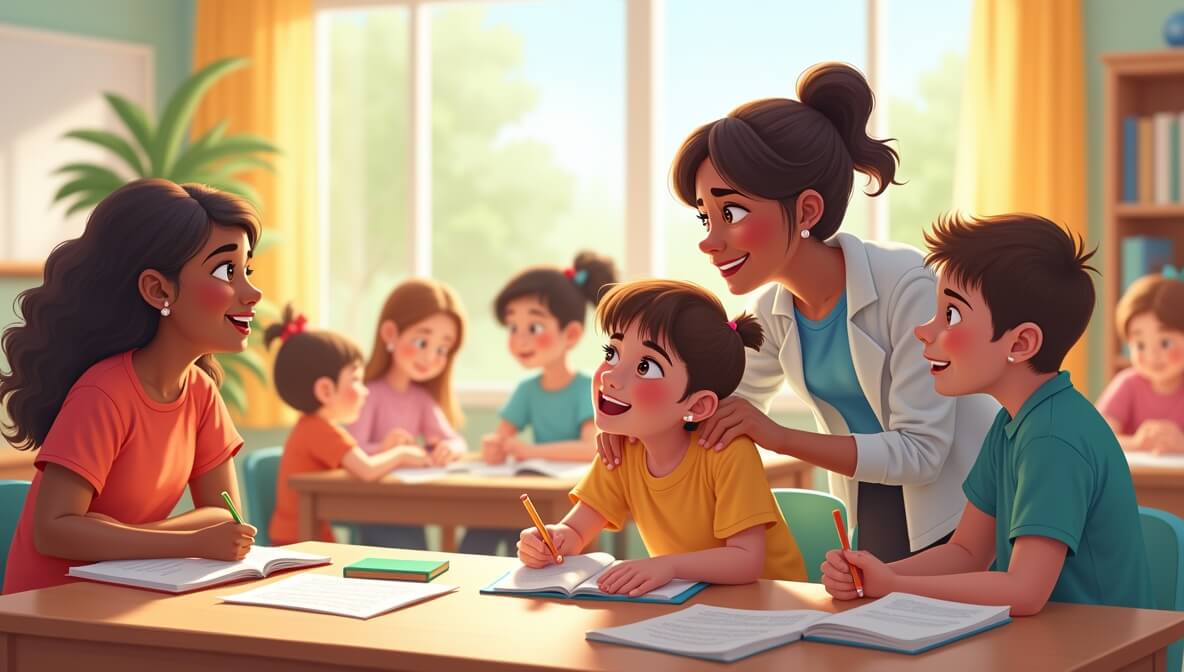
Bullying remains one of the most persistent and damaging challenges facing children in schools and communities today. Whether it manifests as verbal abuse, physical intimidation, social exclusion, or the more insidious cyberbullying, the impact on young minds can be profound and long-lasting. Victims of bullying often suffer from anxiety, depression, low self-esteem, and in some cases, suicidal thoughts (CDC on Youth Violence).
The emotional scars caused by bullying can stretch well into adulthood, affecting relationships, careers, and overall mental well-being. That’s why addressing bullying is not just about discipline—it's about creating a culture of empathy, inclusion, and accountability that empowers all children to feel safe and supported.
To truly combat bullying, we must first understand why it happens. Bullying is often a symptom of deeper emotional or psychological struggles. Children who bully may be dealing with:
According to UNICEF, about one in three students worldwide has reported experiencing bullying. That staggering number underscores how universal and deeply rooted the problem is. It’s not just a behavioral issue—it’s a societal concern.
Nonprofit organizations are addressing these issues at the root. Many focus on emotional intelligence, conflict resolution, and self-awareness training. As noted in Rocketpages' Breaking Down Barriers to Education for Girls Globally, providing safe learning environments is crucial, especially for marginalized groups.
For more on how SEL (social-emotional learning) impacts bullying prevention, visit CASEL.
Schools are not just academic institutions—they’re social environments where children learn how to navigate relationships and resolve conflicts. This makes them a frontline for bullying prevention.
Effective school strategies include:
According to StopBullying.gov, whole-school approaches that involve students, staff, and families tend to be the most effective in reducing bullying over time.
Programs like Olweus Bullying Prevention Program are widely adopted by schools worldwide and are backed by years of research supporting their impact on improving school climate and reducing incidents.
As technology becomes more embedded in children’s lives, bullying has evolved—and in many cases, intensified. Cyberbullying allows harmful behavior to occur outside school hours, often anonymously, and in ways that can go undetected by adults.
Forms of cyberbullying include:
The Pew Research Center reports that 59% of U.S. teens have experienced at least one type of cyberbullying.
Parents and educators must help children:
As seen in Rocketpages’ Mentorship Matters: Guiding Young Minds to Success, mentors play a vital role in guiding youth through challenges, including online harassment, by building trust and teaching positive coping strategies.
More cyberbullying resources: Cyberbullying Research Center.
Parents and community members are in a prime position to spot early signs of bullying. A child may not always say, “I’m being bullied,” but changes in mood, avoidance of school, sleep disruption, or declining grades could be red flags (American Academy of Pediatrics).
How parents can help:
How communities can contribute:
UNESCO’s Safe to Learn Initiative outlines how communities around the world are working together to protect children and ensure schools are safe and inclusive.
A safe space isn’t just a desk in a classroom—it’s an environment where children feel respected, protected, and heard. To build this, everyone must be involved:
The National Education Association (NEA) provides excellent frameworks for schools looking to cultivate inclusive, anti-bullying policies.
When children feel truly safe, they develop confidence, compassion, and the emotional strength to succeed—traits that extend far beyond their school years.
Bullying is not an inevitable part of growing up. It is a preventable and solvable problem—but it requires more than just awareness. It demands consistent, united action from schools, parents, mentors, and policymakers.
Here’s how you can start:
Let’s build a future where every child feels safe, valued, and empowered to be exactly who they are. Because when we protect our children from harm, we help shape a society that values kindness, equity, and courage.
Stay up to date with the latest tips, expert insights, product reviews, and step-by-step guides to help you grow, create, and succeed—no matter your industry or passion.


