
January 12, 2026
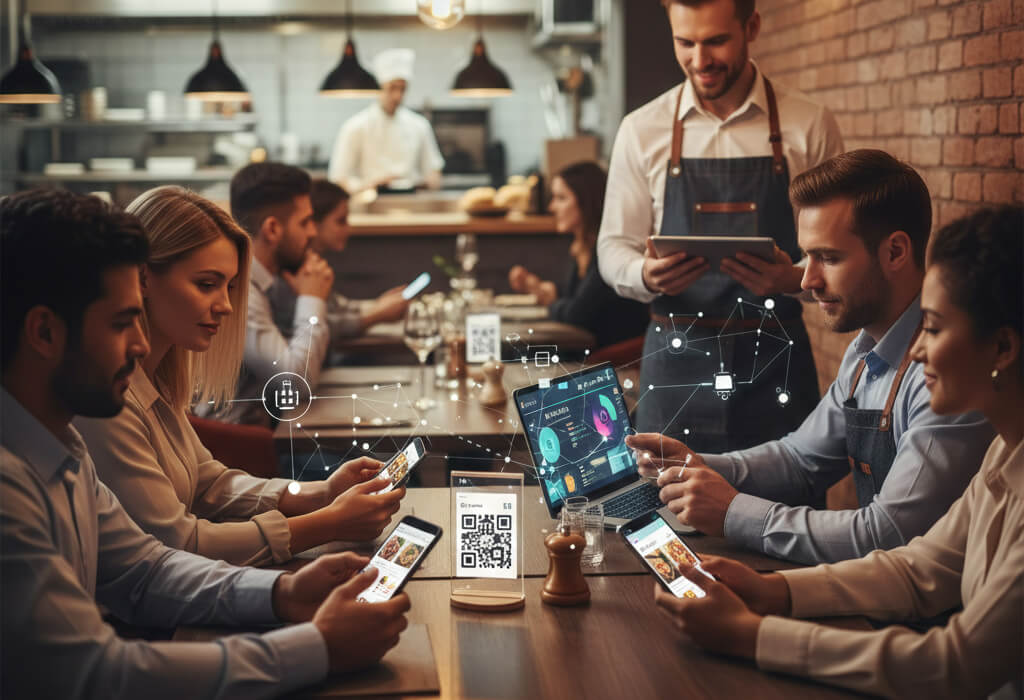
The restaurant industry is changing faster than it ever has before. What worked in 2024—and even strategies that felt modern in 2025—are no longer enough in 2026.
Diners are changing how they discover restaurants, how they decide where to eat, how they place orders, and what they expect before they ever walk through the door. Technology is no longer a “nice-to-have” layer on top of hospitality—it’s shaping expectations at every stage of the dining journey.
For restaurant owners, staying ahead of 2026 dining trends is no longer optional. It’s the difference between steady growth and gradual decline. Restaurants that adapt early are pulling ahead. Those that don’t aren’t failing overnight—but they are losing relevance quietly.
Below are the most important dining trends defining 2026, and how forward-thinking restaurants are already responding.
In previous years, direct ordering was positioned as an alternative to delivery apps. In 2026, that framing has flipped. Diners are increasingly choosing to order directly from restaurants whenever possible.
The reasons are clear:
Restaurants that prioritize direct online ordering through their own websites are reclaiming control over margins and customer relationships. Instead of losing 20–30% per order, they retain revenue and gain valuable customer data.
More importantly, direct ordering enables long-term growth. Restaurants can follow up, reward loyalty, and turn one-time orders into repeat behavior.
Why cutting out the middleman is becoming essential:
By 2026, most restaurant owners technically have mobile-friendly websites—but diners can feel the difference between mobile-friendly and mobile-optimized instantly.
Mobile-optimized websites are built specifically for real-world dining scenarios:
That means:
Restaurants that neglect mobile optimization don’t see angry complaints—they see silent drop-off. Diners simply choose the competitor whose site works better on their phone.
Why mobile experience directly impacts revenue: Mobile-First Websites: Why Restaurants Can’t Ignore Them
Printed menus are becoming obsolete—not because of trends, but because of economics and flexibility.
In 2026, digital menus allow restaurants to:
What began as a post-pandemic convenience has now become a permanent operational upgrade. Digital menus also support SEO, online ordering, and integrations with POS systems.
Why digital menus are now the standard:
Social media still plays a role in discovery—but in 2026, it’s no longer where trust is built.
Diners now rely on restaurant websites to confirm:
Social feeds are fragmented and algorithm-driven. Websites provide clarity, consistency, and confidence. Restaurants without websites—or with outdated ones—feel less established, even if the food is excellent.
Why “link in bio” is no longer enough: Why Link in Bio Isn’t Enough: The Case for Restaurant Websites
In 2026, searches like “best restaurant near me” or “open now” are driving more real-world traffic than many paid ads.
Local SEO has evolved into a predictable, high-ROI acquisition channel for restaurants that invest in it properly. This includes:
Restaurants that rank well locally don’t just get more clicks—they get diners who are ready to act immediately.
How restaurants are winning with local SEO:
AI in 2026 isn’t flashy or intrusive—it’s practical and behind the scenes.
Restaurants are using AI to:
Rather than replacing human judgment, AI helps owners make faster, smarter decisions with better data. The restaurants benefiting most from AI aren’t tech-forward brands—they’re operationally disciplined ones.
How AI is shaping modern restaurant marketing: The Role of AI in Modern Restaurant Marketing
In 2026, loyalty is no longer about punch cards or endless discounts. Diners want recognition, exclusivity, and personalization.
Modern loyalty programs focus on:
These programs build emotional connection rather than transactional dependence—and they significantly increase lifetime value.
Why loyalty models are evolving:
In 2026, restaurants no longer wait for reviews—they actively shape them.
Proactive reputation management includes:
Reviews now directly influence SEO rankings, click-through rates, and booking decisions. Restaurants that manage reputation intentionally convert more traffic and build trust faster.
Why reviews matter more than ever:
Technology in 2026 is no longer about adding tools—it’s about removing friction.
Smart restaurants invest in:
The result is faster service, fewer errors, and happier teams—without overwhelming complexity.
Explore the modern restaurant tech stack:
By 2026, the most successful restaurants treat their website as:
Every channel—SEO, social, ads, email—feeds into the website. And every conversion flows through it.
Restaurants that invest in modern, conversion-focused websites are already seeing measurable gains in bookings, orders, and repeat visits.
Proof that websites drive growth:
Dining trends in 2026 aren’t about gimmicks or novelty. They’re about clarity, control, and connection.
Restaurants that:
…will thrive even in competitive markets.
The future of dining isn’t just what’s on the plate.
It’s online—and it’s already here.
Stay up to date with the latest tips, expert insights, product reviews, and step-by-step guides to help you grow, create, and succeed—no matter your industry or passion.