
December 25, 2025
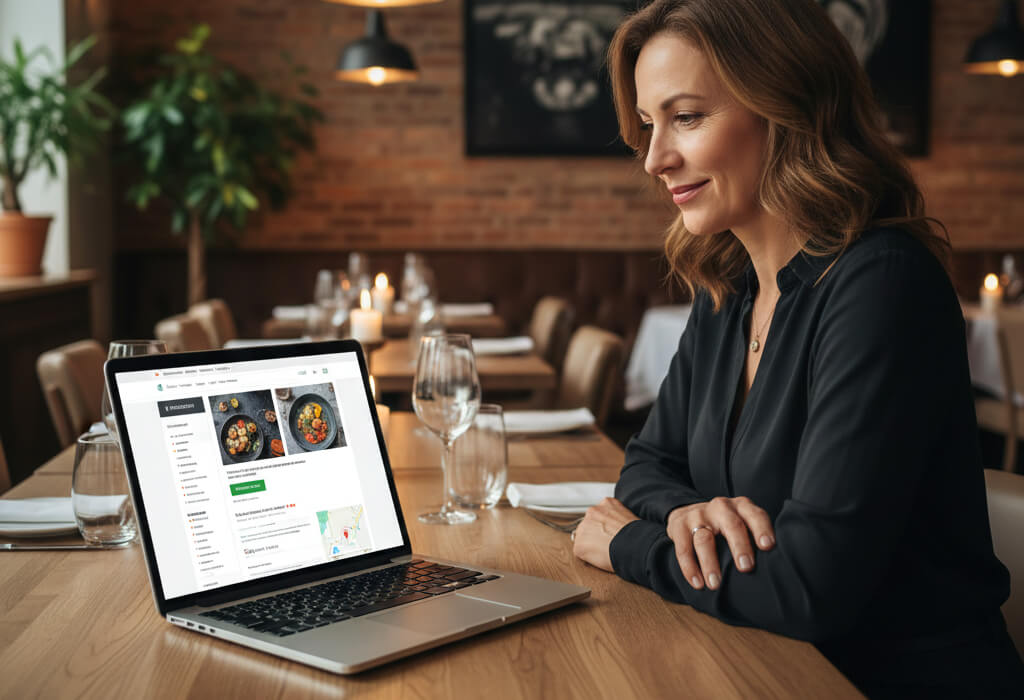
Before diners ever smell your food, hear your music, or meet your staff, they experience something else first: your website.
In today’s digital-first world, your website is no longer just a place to list hours and menus. It is your digital dining room—the space where first impressions are formed, expectations are set, and trust is either built or broken.
Restaurants that treat their website as a living extension of their physical space consistently attract more diners, earn more reservations, and build stronger loyalty. Those that don’t often lose customers before they even know it.
Let’s explore why your website matters as much as your dining room—and how to design it with the same intention.
Most diners discover restaurants online—even locals. They may come from Google, Google Maps, Instagram, or a shared link, but almost all paths lead to your website.
Within seconds, visitors subconsciously judge:
An outdated or cluttered website creates the same emotional response as a messy dining room.
The hidden cost of this poor first impression is higher than most restaurant owners realize: The Cost of Not Having a Website for Your Restaurant
The biggest danger? Visitors don’t complain—they simply leave and choose another restaurant.
Lighting, décor, and music prepare diners emotionally before the first bite. Online, the same role is played by:
When your website matches your physical dining experience, guests arrive already comfortable and confident. When it doesn’t, diners feel friction—even if they can’t explain why.
This is why cohesive restaurant branding matters so much online: Restaurant Branding 101: Why Your Online Identity Matters
Your website should feel like your restaurant before guests ever step inside.
In your restaurant, menus guide decisions. Online, they guide whether diners choose you at all.
A strong digital menu should be:
Restaurants that invest in digital menus consistently see higher engagement and visit intent:
Your online menu is not just informational—it’s persuasive.
No one enjoys a restaurant with confusing entrances or cramped layouts. The same applies to websites.
A great digital dining room offers:
When navigation is clean, visitors feel relaxed. When it’s confusing, they leave.
These design choices directly impact conversions and foot traffic:
How to Turn Website Visitors Into Paying Diners
Less friction = more bookings.
Online, diners can’t smell the food or feel the atmosphere—photos do that work instead.
High-quality photography:
This includes food photography, interior shots, and real moments of guests dining.
The psychology behind why visuals matter so much is explained here: The Science of Food Photography for Restaurant Websites
Stock photos or low-quality images quietly lower perceived quality—even if your food is excellent.
Before dining, guests are silently asking:
A good host answers these questions naturally.
A good website does the same—without forcing visitors to search.
This is why every modern restaurant needs a well-structured website:
Why Every Restaurant Needs a Website in 2025 (And How to Launch One Fast)
Confidence leads to decisions. Confusion leads to exits.
Search engines evaluate your website the same way diners do—on experience, clarity, and relevance.
A well-built website helps you:
This is why SEO-focused websites outperform social profiles:
Your website is your strongest long-term visibility asset.
The goal of a dining room is to seat guests.
The goal of a website is exactly the same.
Effective restaurant websites guide users to:
Restaurants that optimized this journey saw measurable growth, including a 40% increase in bookings: How One Restaurant Increased Bookings by 40% With a New Website
Your website should feel like a calm, confident host—not a maze.
You wouldn’t neglect your physical dining room—don’t neglect your digital one.
Your website is:
Treat it with the same care you give your restaurant, and diners will arrive already convinced—excited, confident, and ready to sit down.
Welcome them online—before you welcome them at the table.
Stay up to date with the latest tips, expert insights, product reviews, and step-by-step guides to help you grow, create, and succeed—no matter your industry or passion.