
December 25, 2025
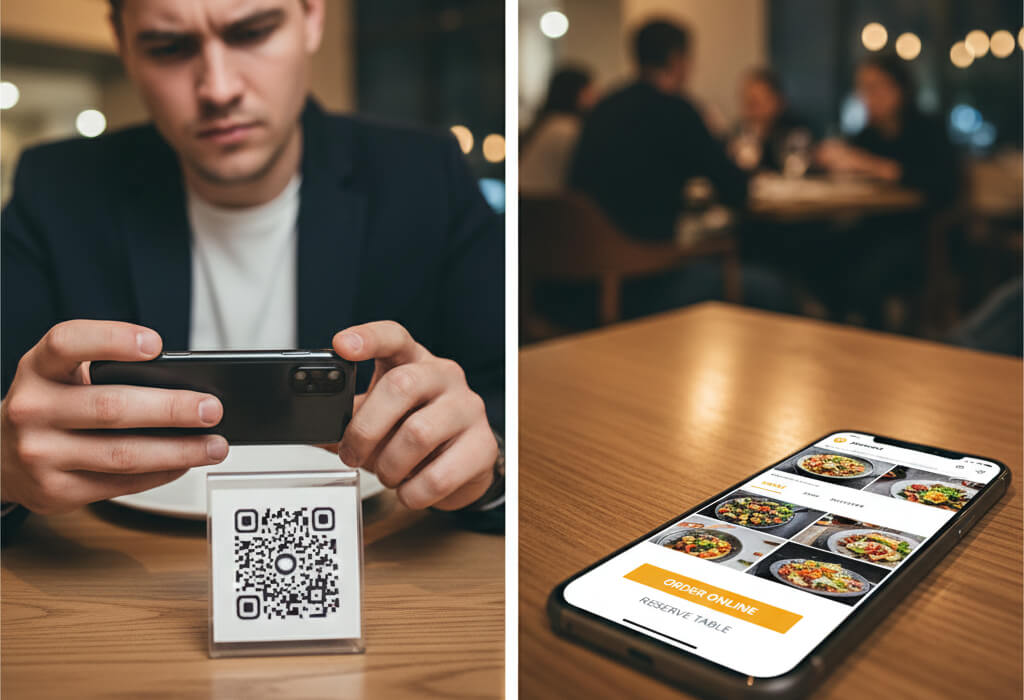
QR code menus solved a short-term problem—but they were never designed to be a complete digital strategy for restaurants.
During their rise, QR codes addressed real concerns around hygiene, speed, and operational efficiency. They allowed restaurants to remove printed menus and adapt quickly. However, diner expectations did not freeze in that moment. They evolved.
In 2025, diners expect clarity, speed, trust, and context across every digital touchpoint. A QR code that leads to a bare menu list no longer meets those expectations. Instead of helping diners decide, QR-only menus increasingly create friction, uncertainty, and missed opportunities.
Below is a deeper look at why QR code menus alone are no longer sufficient, and what modern restaurants must do to meet today’s dining behavior.
Most QR code menus are designed to do one thing: display a list of items and prices. While this technically solves access, it fails to address how diners actually make decisions.
Modern diners want to understand the experience before they commit. They want to know what kind of place they are walking into, how dishes are presented, and whether the restaurant fits the moment they are planning—whether that’s a casual lunch, a date night, or a family dinner.
A QR menu rarely communicates atmosphere, portion size, or brand personality. It does not explain what makes the restaurant special, which dishes are popular, or why the food is worth choosing over nearby options.
A full restaurant website provides this context by combining menus with photography, storytelling, and clear positioning. It allows diners to emotionally connect with the restaurant, not just browse prices.
Why a complete website experience matters more than ever: Why Every Restaurant Needs a Website in 2025 (And How to Launch One Fast)
Trust is built through signals of stability, professionalism, and care. QR code menus, by design, feel temporary. They are often associated with pop-ups, short-term solutions, or bare-minimum effort.
From a psychological perspective, diners associate QR-only menus with impermanence. They do not signal that a restaurant is established or invested in its brand. Instead, they feel transactional—functional, but not reassuring.
A professional website communicates something entirely different. It signals that the restaurant has committed resources to its identity, customer experience, and long-term presence. This perception plays a significant role in whether diners feel confident choosing one restaurant over another.
The psychological difference between QR menus and full websites is explored here: The Psychology of Trust: Why Every Great Restaurant Has a Website
Trust is not built by access alone—it is built by intention.
One of the biggest limitations of QR code menus is timing. QR codes only work once a diner is already inside the restaurant or seated at a table.
However, most dining decisions are made before arrival. Diners browse menus at home, in their cars, or while walking nearby. They compare options, evaluate prices, and decide whether a restaurant fits their needs in advance.
If a menu is only accessible through a QR code inside the restaurant, it effectively removes the restaurant from the decision-making process entirely. Diners who cannot preview a menu often choose another option rather than take a risk.
This behavior leads to lost visits that the restaurant never sees or measures.
Why missing pre-visit menu access drives diners away: Why Diners Leave If They Can’t Find Your Menu Online
A menu that cannot be found before arrival is often a menu that is never seen at all.
From a technical standpoint, most QR menu systems are poorly optimized for search engines. They are often hosted on third-party platforms, lack structured data, and are not designed to rank in local search results.
As a result, these menus do not help restaurants appear when diners search for specific dishes, cuisines, or nearby dining options. They exist outside of the restaurant’s SEO ecosystem.
Websites with properly structured, indexable menus perform far better in search results. They help restaurants rank for meaningful queries and appear in local discovery moments, especially on Google Maps and mobile search.
Why SEO-friendly menus matter for visibility:
QR-only menus do not attract demand—they wait for it.
While QR codes were initially framed as a convenience, they often introduce new forms of friction for diners.
Common challenges include poor lighting that makes scanning difficult, slow-loading menu pages, compatibility issues with older phones, and accessibility barriers for less tech-savvy guests. These issues create frustration at moments when diners should feel relaxed and welcomed.
A well-designed digital menu experience should remove obstacles, not add them. Mobile-optimized websites with clear navigation, readable text, and fast loading times consistently outperform QR-only systems in usability and satisfaction.
Why thoughtful digital menus improve guest experience: How Digital Menus Improve Guest Experience and Save Costs
Convenience only works when it works for everyone.
QR code menus are passive tools. They display information but do not actively support business growth.
They do not help restaurants collect customer emails, promote upcoming events, highlight special offers, or build loyalty programs. They also do not provide data or insights into customer behavior beyond basic views.
Websites transform menus into growth assets. They allow restaurants to capture leads, nurture repeat visits, and communicate directly with guests—without relying on social media algorithms or third-party platforms.
How websites turn menus into growth engines:
Growth requires ownership, not just access.
The most effective restaurants have not abandoned QR codes—they have reframed their role.
Instead of using QR codes as the final destination, modern restaurants use them as a bridge. QR codes open a full, mobile-optimized website where menus live alongside photos, brand storytelling, reservations, directions, and ordering options.
This hybrid approach preserves the convenience of QR codes while delivering the depth and trust of a complete digital experience.
Why integrated online menus outperform standalone QR systems: Online Menus: Why They Matter More Than Printed Ones
QR codes should guide diners forward, not stop them at the surface.
Restaurants that upgraded from QR-only menus to full website experiences have seen measurable improvements in engagement, bookings, and repeat visits.
By improving clarity, trust signals, and usability, these restaurants reduced hesitation and made decisions easier for diners. In one documented case, a restaurant increased bookings by 40% after upgrading its digital presence: How One Restaurant Increased Bookings by 40% With a New Website
The improvement did not come from adding complexity, but from replacing limitations with clarity.
QR code menus still have a place in modern restaurants, but they were never meant to carry the full weight of a digital strategy.
Today’s diners expect:
QR codes alone cannot deliver these expectations.
Use QR codes to open the door.
Use your website to earn trust and close the decision.
Stay up to date with the latest tips, expert insights, product reviews, and step-by-step guides to help you grow, create, and succeed—no matter your industry or passion.