
September 16, 2025
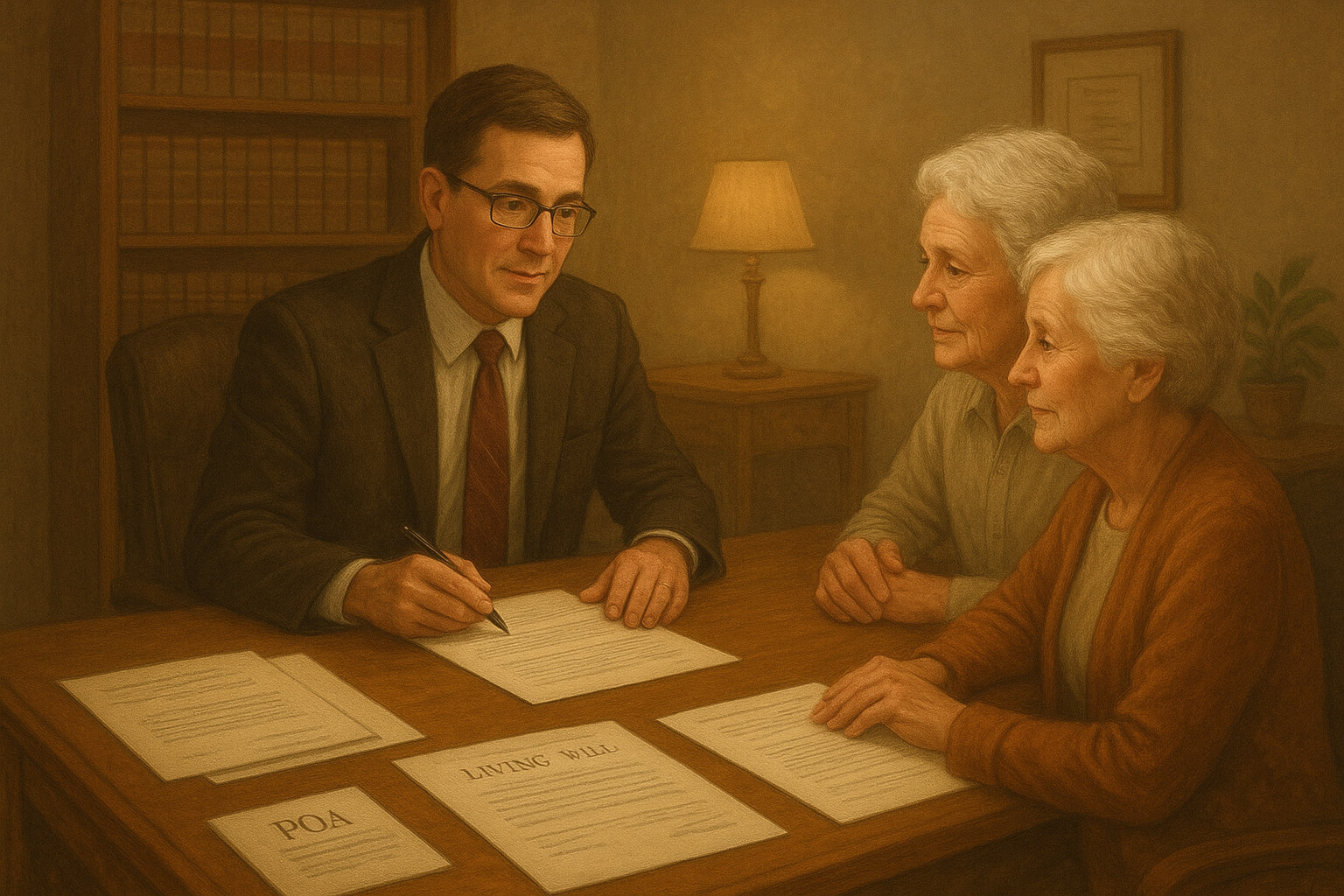
Planning for the future is difficult for most families. It becomes even more sensitive when the decisions involve aging, health care, long-term care costs, mental capacity, and protecting a lifetime of savings. Many families delay these conversations because they are uncomfortable, but waiting too long can lead to preventable legal problems, financial stress, and family conflict.
That is why elder law is so important. Elder law is not just about drafting documents. It is about helping seniors and their loved ones prepare for life’s later stages with clarity, structure, and legal protection. A strong elder law plan can protect assets, reduce stress, preserve dignity, and make sure medical and financial decisions are handled according to the client’s wishes.
At our firm, we help individuals and families navigate the legal realities of aging with a practical and compassionate approach. Whether you need help creating an estate plan, qualifying for Medicaid, responding to financial exploitation, or making decisions for a loved one who can no longer act independently, the right legal strategy can make a major difference.
For families beginning this process, it often helps to understand the core building blocks first, including what is a living trust, what is a power of attorne, and what is a living will. These tools are central to effective elder law planning and often form the foundation of a broader protection strategy.
Elder law is a focused area of legal practice that addresses the needs of older adults, people with disabilities, and families planning for incapacity, long-term care, and wealth preservation. It brings together several related legal areas, including estate planning, Medicaid planning, guardianship, long-term care planning, probate, incapacity documents, and elder abuse prevention.
Unlike general estate planning, elder law often deals with urgent and highly practical questions such as:
- How can a family pay for nursing home care without losing everything?
- What happens if a parent develops dementia and never signed legal documents?
- How can a senior protect assets from exploitation or scams?
- Who can make financial or medical decisions if capacity is lost?
- How can a family avoid probate delays and protect a surviving spouse?
These issues are rarely solved with a one-size-fits-all document package. They require legal judgment, timing, and an understanding of how family dynamics, health issues, and public benefits interact.
That is why many families seek a firm that focuses deeply on these matters rather than treating them as a side service.
Many people assume they can handle aging-related planning with a few online forms. That approach often fails when the situation becomes more complex. Elder law matters are deeply tied to state law, timing rules, tax consequences, Medicaid eligibility standards, and real-life family circumstances.
An experienced elder law attorney helps families:
- Create legally sound estate plans
- Prepare for incapacity before a crisis occurs
- Protect a family home and other key assets
- Plan for nursing home or in-home care costs
- Avoid common Medicaid disqualification mistakes
- Respond quickly to exploitation or abuse
- Guide guardianship or conservatorship proceedings
- Reduce the chances of future disputes among children or relatives
The value of experienced planning is even clearer when families compare the consequences of doing nothing. Articles like what happens if I die without a will and the legal consequences of not having a will show how quickly a lack of planning can create problems for loved ones.
We support clients through every stage of aging and long-term planning. Our work is designed to protect both the legal and human side of these transitions.
A major part of elder law involves helping clients put the right legal documents in place before a crisis happens. This usually includes wills, trusts, powers of attorney, health care directives, and related planning documents.
We help clients create customized plans that may include:
- Last wills and testaments
- Revocable living trusts
- Irrevocable trusts
- Durable powers of attorney
- Health care proxies
- Living wills
- HIPAA releases
- Special instructions for incapacity and end-of-life care
These tools do more than distribute property. They give families a roadmap. They can reduce court involvement, avoid probate delays, make incapacity planning easier, and help prevent disputes later.
Families often start by learning the differences between the main estate planning tools. Helpful related resources include the difference between a will and a trust, what is a durable power of attorney, what is a health care proxy, and the legal side of a last will and testament.
One of the biggest financial threats facing older adults is the cost of long-term care. Nursing home care, assisted living, memory care, and in-home support can drain a family’s savings far faster than most people expect. Without planning, people often assume they must spend nearly everything before help is available.
This is where Medicaid planning becomes critical.
We help families:
- Evaluate eligibility for Medicaid benefits
- Understand look-back periods and transfer rules
- Structure assets in a more protective way
- Use Medicaid-compliant trusts where appropriate
- Protect a spouse who remains at home
- Plan for nursing home care without unnecessary loss of property
- Respond to urgent long-term care placement needs
Long-term care planning requires careful timing. Families often come to a lawyer after a medical crisis, but earlier planning usually creates more options. For readers exploring this area, a guide to long-term care planning, the Medicaid look-back period explained, and a checklist for planning for long-term care are highly relevant companion resources.
This kind of planning is not about hiding assets. It is about using lawful tools correctly. Families who wait too long often lose options they otherwise could have preserved.
A complete elder law plan should address not only death, but incapacity. If a person becomes unable to manage finances or make medical decisions, the absence of proper documents can force the family into court.
We help clients prepare:
- Financial powers of attorney
- Durable powers of attorney
- Health care proxies
- Living wills
- HIPAA authorizations
These documents allow trusted people to step in when needed and can help avoid guardianship proceedings. They are especially important for clients facing early cognitive decline, chronic illness, or a high likelihood of future incapacity.
Families often benefit from reviewing how to choose a power of attorney, what is a power of attorney for finances, how to create a health care proxy, and what is a HIPAA release before finalizing these decisions.
Sometimes a loved one has already lost the ability to make decisions, and no valid planning documents exist. In that situation, a guardianship or conservatorship proceeding may be necessary.
We assist families with:
- Filing petitions for guardianship or conservatorship
- Emergency guardianship matters
- Contested incapacity proceedings
- Court-required reporting and compliance
- Protecting the rights of vulnerable adults
- Resolving disputes among relatives over who should serve
Guardianship cases are emotionally difficult. They often involve dementia, stroke, serious illness, or long-standing family tension. Our role is to guide the family through the legal process while keeping the focus on the well-being of the vulnerable adult.
If you are trying to understand the court side of this process, the legal process for a guardian or conservator and how to appoint a guardian for your children are useful examples of how courts evaluate decision-making authority in different family contexts.
Elder abuse is one of the most urgent areas of elder law. It can take many forms, including financial exploitation, neglect, emotional abuse, isolation, coercion, and misuse of legal authority. Often, the abuse comes from someone the senior trusted.
We help families act quickly when warning signs appear. That may include:
- Investigating suspicious transfers or account activity
- Working to freeze unauthorized financial transactions
- Reviewing powers of attorney for misuse
- Coordinating reports to Adult Protective Services
- Pursuing civil remedies against wrongdoers
- Supporting families when criminal referrals are appropriate
The legal and emotional stakes in these matters are high. Delay can lead to irreversible loss of money, control, and safety.
For families facing this issue, we often recommend reviewing understanding elder abuse and neglect, what to do if you suspect elder abuse, how to report financial exploitation of an elder, and how to protect a senior’s assets from scams. These topics are directly connected to the real-world risks many seniors face.
Elder law planning does not end with document drafting. Families often need guidance after death as well, especially when probate, trust administration, or estate disputes arise.
We help with:
- Probate proceedings
- Will validation
- Trust administration
- Letters testamentary and estate authority
- Asset transfer issues
- Questions about beneficiary rights
- Estate recovery concerns after Medicaid planning
Families unfamiliar with the process often start with basic questions such as what is probate, the legal side of a probate case, the legal side of a letter of testamentary, and how to get a will notarized. Early guidance helps reduce confusion and avoid costly mistakes during administration.
Clients do not just need legal forms. They need a lawyer who can see the full picture: aging, finances, family relationships, benefits planning, and future risk. That is what sets a dedicated elder law firm apart.
No two families have the same needs. One client may need immediate Medicaid crisis planning. Another may need a trust-based estate plan and future incapacity documents. Another may be dealing with sibling conflict over a parent with dementia. Each scenario requires a different strategy.
Our work is tailored around:
- Family structure
- Health status
- Existing assets
- Real estate ownership
- Risk of future long-term care
- Need for tax or trust planning
- Presence of vulnerable beneficiaries
- Potential for family conflict
This is why we spend time understanding the whole situation instead of recommending the same documents to every client.
Families measure success in elder law differently than in many other practice areas. Success may mean preserving the family home, securing Medicaid approval, avoiding guardianship, preventing exploitation, or making sure a spouse is not left financially vulnerable.
We focus on outcomes that make a real difference in the client’s life.
If you want to see how asset-protection planning can affect families, estate planning case study: protecting families and assets is a strong example of how strategic planning can preserve stability over time.
A recent client came to us after learning that an aging parent needed long-term care much sooner than expected. The family had significant concerns: they could not afford private-pay nursing home care indefinitely, they wanted to preserve the home, and they were worried about leaving the healthier spouse exposed financially.
We reviewed the family’s assets, care needs, and timing constraints, then implemented a strategy designed around Medicaid compliance and asset protection. That plan included restructuring certain holdings, coordinating legal authority documents, and using trust-based planning to reduce unnecessary exposure.
As a result, the family was able to:
- Move forward with quality long-term care planning
- Preserve key family assets
- reduce the risk of unnecessary estate recovery issues
- protect the financial stability of the spouse remaining at home
This type of outcome is exactly why early elder law planning matters. Families often assume they have no good options once a medical crisis begins. In reality, the right legal guidance can still make a substantial difference.
Many families wait until a crisis forces action. While crisis planning is sometimes unavoidable, earlier planning almost always creates more flexibility.
You should strongly consider contacting an elder law attorney if:
- You or a parent is aging and has no estate plan
- A loved one may need nursing home care soon
- Someone in the family has been diagnosed with dementia
- You want to protect a home or savings from long-term care costs
- There is concern about elder financial abuse
- A parent signed outdated or unclear legal documents
- Family members are already disagreeing about care or money
- You want to avoid probate and reduce burdens on your children
Planning ahead is not pessimistic. It is protective.
Good elder law planning gives families more than documents. It gives structure during uncertainty. It reduces the likelihood of rushed decisions, preventable legal disputes, and unnecessary financial loss. It also gives older adults something equally important: control.
That control may take many forms:
- Choosing who makes decisions if incapacity occurs
- deciding how assets should pass
- protecting a spouse
- planning for long-term care
- reducing court involvement
- preventing exploitation
- preserving dignity when health changes
These are not abstract legal benefits. They are real protections that shape quality of life for the client and peace of mind for the family.
The right elder law firm does more than prepare documents. It helps families make informed decisions about aging, incapacity, long-term care, and asset protection before those issues become emergencies. Whether you are creating a trust, planning for Medicaid, responding to suspected exploitation, or helping a parent whose health is declining, experienced legal guidance can protect both financial security and personal dignity.
Our approach combines legal precision with practical, compassionate support. We help clients plan ahead, respond to crises, and put strong protections in place for the years ahead. For families looking to continue learning, the most natural next resources are what is a living trust, the difference between a will and a trust, a guide to long-term care planning, what to do if you suspect elder abuse, and estate planning case study: protecting families and assets.
Stay up to date with the latest tips, expert insights, product reviews, and step-by-step guides to help you grow, create, and succeed—no matter your industry or passion.