
September 27, 2025
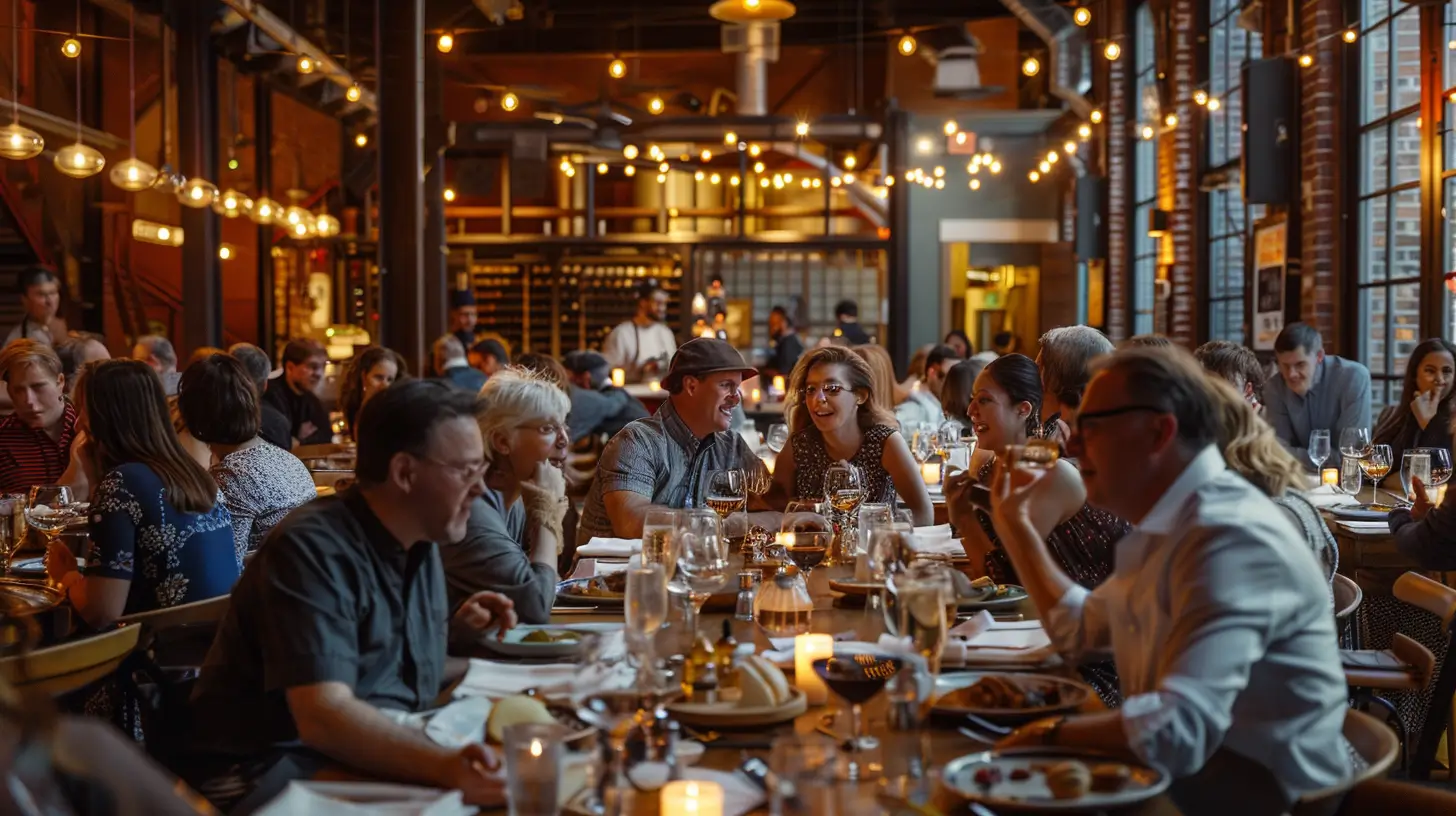
Dining out in America is no longer driven only by word of mouth, foot traffic, or traditional restaurant reviews. In 2025, restaurant discovery is deeply digital. Before a diner experiences your atmosphere, service, cocktails, or signature dishes, they experience your website. They evaluate your photos, scroll through your menu, compare your branding to competitors, check whether your site works smoothly on mobile, and decide whether your restaurant feels worth their time and money.
This shift has fundamentally changed how restaurants compete.
A restaurant today is not only competing on cuisine quality. It is competing on presentation, discoverability, convenience, and digital trust. A chef may spend years refining a tasting menu or perfecting a regional specialty, but if the restaurant’s online presence feels outdated, slow, confusing, or generic, many potential customers will never make it to the reservation stage.
That reality is especially important in America’s top food cities, where competition is intense and diners have endless choices. Cities such as Portland, New Orleans, Austin, Charleston, and San Francisco have become culinary destinations not simply because they have great restaurants, but because they have dining cultures with strong identities. Restaurants in those markets must communicate that identity online just as effectively as they do in person.
This is why modern restaurant websites are no longer optional marketing tools. They are operational infrastructure. They influence bookings, search visibility, brand credibility, event inquiries, private dining requests, catering opportunities, and repeat customer engagement.
As explained in Why Every Restaurant Needs a Website in 2025 (and How to Launch One Fast), restaurants that control their digital presence are increasingly the restaurants that control customer relationships. Instead of depending entirely on third-party apps or social media algorithms, they create direct pathways between the brand and the diner.
This guide explores five of America’s strongest food cities for 2025 and explains not only what makes each city unique, but also what restaurants in those cities need from their websites if they want to compete effectively online.
The definition of a “great food city” has evolved significantly over the last decade. Culinary prestige still matters, but diners now evaluate cities through a much broader lens. A city’s food reputation is shaped not only by fine dining awards or famous chefs, but also by cultural authenticity, accessibility, local storytelling, digital visibility, and overall dining diversity.
In 2025, the strongest food cities tend to share several characteristics:
Modern diners do not simply search for “restaurants.” They search for experiences tied to emotion and identity. They search phrases like:
Those searches happen online long before a reservation is made.
That means restaurant websites have become critical conversion tools. A restaurant’s website now serves multiple roles simultaneously:
The restaurants succeeding in top food cities understand that the website is not separate from the dining experience. It is the first stage of the dining experience.
Portland continues to stand out as one of America’s most respected food cities because of its commitment to local sourcing, seasonality, sustainability, and culinary authenticity. Portland’s restaurant culture is deeply tied to farms, fisheries, craft producers, fermentation culture, and independent creativity.
Unlike cities that rely heavily on luxury presentation or trend-driven dining, Portland’s strength comes from intentionality. Diners often care just as much about where ingredients come from as how they are plated. Restaurants are expected to communicate transparency, values, and craft.
That expectation shapes how restaurant websites should function.
A Portland restaurant website should feel thoughtful, clean, and credible. Diners in this market often respond better to authenticity than excess. Overly corporate or overly flashy design can sometimes create distrust because it feels disconnected from Portland’s food culture.
Successful Portland restaurant websites usually emphasize:
Portland diners frequently research restaurants in detail before visiting. They want to know:
This means the website must support storytelling without becoming cluttered.
Restaurants in Portland benefit from websites that prioritize readability and simplicity. Minimalist layouts often perform well because they align with the city’s dining identity.
A strong homepage should immediately establish:
Many Portland restaurants also benefit from dedicated sourcing sections that explain relationships with local farms, fisheries, vineyards, bakeries, or producers. These details matter because Portland diners often interpret sourcing quality as part of the restaurant’s credibility.
Search visibility is also essential. Restaurants targeting terms such as:
need proper local SEO structure.
This is where resources like SEO for Restaurants: How to Get Found Online become extremely valuable because discoverability in Portland’s crowded restaurant scene requires more than beautiful visuals.
Mobile experience is equally critical. Portland tourists often search while actively moving through neighborhoods, food cart districts, breweries, and entertainment areas. As explained in How Smart Restaurants Are Winning With Mobile-First Websites, restaurants that optimize for mobile browsing dramatically improve conversion opportunities.
New Orleans remains one of America’s most emotionally powerful food cities because dining there is inseparable from music, history, celebration, and regional identity. Restaurants in New Orleans do not simply sell meals. They sell atmosphere, ritual, and cultural memory.
The city’s culinary identity is shaped by:
Because of this, New Orleans restaurant websites need to communicate emotion as much as information.
A successful New Orleans restaurant website should create a feeling before the diner even arrives. Visitors should immediately sense warmth, rhythm, personality, and place.
Important elements often include:
Tourists planning trips to New Orleans frequently research restaurants weeks in advance. They compare ambiance, music offerings, cocktail programs, brunch experiences, and neighborhood vibe.
This means the website should help diners visualize the experience.
Restaurants in New Orleans can often embrace richer visual design than restaurants in more minimalist food cities. Color, texture, typography, and atmosphere matter significantly.
However, emotional design should never come at the expense of usability.
A strong New Orleans restaurant website should still maintain:
Restaurants that host live music, themed dinners, holiday events, jazz brunches, or seasonal celebrations should use dynamic content sections and event calendars effectively.
Tourism also increases the importance of online trust. Diners unfamiliar with the city often rely heavily on digital impressions when deciding where to spend money.
That is why reputation management matters so much. Resources such as The Restaurant Reputation Playbook: How to Win Diners’ Trust Online are especially relevant in markets like New Orleans, where competition for tourist attention is intense.
Austin continues to thrive as one of America’s most exciting restaurant cities because it blends deep Texas food traditions with constant innovation. Austin’s dining culture is driven by energy, personality, live entertainment, and creativity.
The city’s reputation is built around:
Austin restaurants compete heavily on personality and visibility.
Austin diners expect restaurant websites to feel current, active, and visually engaging. A static or outdated website immediately creates disconnect because the city itself moves quickly.
Diners often expect:
Because Austin hosts major events such as music festivals, conventions, and large tourism weekends, restaurants frequently need to update promotions, menus, or reservation messaging quickly.
Austin restaurant websites benefit from stronger visual personalities than many other markets.
Effective Austin websites often use:
At the same time, functionality remains essential. Diners searching before concerts, events, or nightlife outings want fast answers.
The website should make it easy to:
Restaurants that frequently run collaborations, limited-time menus, or event activations also benefit from flexible website systems that allow rapid updates without needing constant developer support.
Resources like What We Learned After Building 100 Restaurant Websites are particularly useful because they focus on the operational characteristics behind successful restaurant websites rather than just visual aesthetics.
Charleston has become one of America’s strongest destination dining markets because it combines Southern hospitality, coastal ingredients, historic atmosphere, and refined presentation.
Charleston restaurants frequently succeed by blending elegance with emotional warmth. Diners visiting the city often seek experiences tied to:
As a result, Charleston restaurant websites need to balance sophistication with accessibility.
A strong Charleston restaurant website should create trust and emotional resonance immediately.
Visitors typically expect:
Charleston diners often value refinement and professionalism. A cluttered or poorly organized site can undermine the restaurant’s perceived quality.
Charleston restaurants benefit from visually restrained websites that emphasize hospitality and atmosphere.
Important features often include:
Private dining functionality is especially important because Charleston attracts weddings, tourism events, corporate dinners, and celebrations.
Local SEO also matters heavily. Restaurants trying to rank for searches like:
need optimized location pages and clear content structure.
This is another area where SEO for Restaurants: How to Get Found Online becomes strategically important.
San Francisco remains one of America’s defining restaurant cities because of its combination of innovation, sustainability, chef-driven dining, and technological sophistication.
The city’s dining culture emphasizes:
San Francisco diners often have extremely high digital expectations.
Restaurant websites in San Francisco need to feel refined, polished, and technologically competent.
Diners often expect:
In high-end dining especially, the website strongly influences perceived legitimacy.
If a tasting-menu restaurant has a weak or outdated website, diners may subconsciously question the quality of the experience itself.
San Francisco restaurant websites should focus heavily on coherence and polish.
Every element should feel aligned:
Restaurants focused on niche categories such as:
need especially strong branding consistency.
Embedded video, sourcing stories, chef interviews, and interactive galleries can perform extremely well when implemented carefully.
The broader evolution of restaurant websites is discussed in The Future of Restaurant Websites in 2026, which explains how restaurant websites are increasingly functioning as full-scale brand ecosystems rather than simple informational pages.
Although Portland, New Orleans, Austin, Charleston, and San Francisco have very different culinary identities, the restaurants succeeding online in all of them tend to share several core digital characteristics.
Most restaurant discovery now happens on mobile devices.
Diners browse:
directly from phones.
A slow mobile site creates immediate friction and significantly reduces conversion rates.
A restaurant website must support search intent effectively.
That means:
Without SEO structure, even excellent restaurants can become difficult to discover.
The best restaurant websites quickly answer critical diner questions:
The faster the website answers those questions clearly, the higher the likelihood of conversion.
In top-tier food cities, restaurants are no longer judged only against neighboring competitors. Diners compare experiences across cities, cuisines, and digital platforms.
A restaurant may have exceptional food and still lose bookings if:
At the same time, a restaurant with a strong digital experience can outperform competitors simply by making the customer journey easier and more compelling.
This is why restaurant websites are increasingly strategic business assets.
They influence:
Restaurants that own their digital experience reduce dependence on third-party apps and strengthen direct relationships with diners.
America’s best food cities in 2025 are not defined only by chefs, trends, or famous dishes. They are defined by experiences, identity, culture, and storytelling. But in today’s dining economy, those stories begin online long before the first course arrives at the table.
A restaurant website now functions as the first impression, the first interaction, and often the deciding factor in whether a diner chooses one restaurant over another.
Portland requires authenticity and sourcing transparency.
New Orleans demands atmosphere and emotional storytelling.
Austin rewards boldness and flexibility.
Charleston values elegance and hospitality.
San Francisco expects precision and polish.
Despite those differences, the restaurants succeeding in all of these cities understand one thing clearly: digital experience is now part of the dining experience itself.
Resources such as Why Every Restaurant Needs a Website in 2025 (and How to Launch One Fast), How Smart Restaurants Are Winning With Mobile-First Websites, and The Restaurant Reputation Playbook: How to Win Diners’ Trust Online all reinforce the same reality: the restaurants that communicate best online increasingly become the restaurants that perform best offline.
If your restaurant is building memorable experiences in one of America’s top food cities, your website should communicate that quality before the guest even walks through the door.
Stay inspired with our latest deep dives into the dining world. From choosing the perfect restaurant for life’s milestones to deciding between a night out or cozying up with takeout, each article offers humanized insights, practical tips, and stories that celebrate the joy of food and hospitality. Explore what’s new and discover guides that make every dining decision more meaningful.